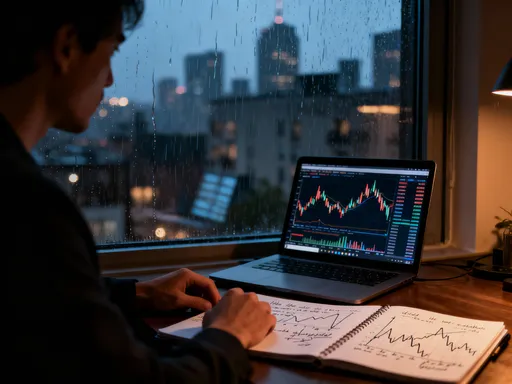
What I Learned Forecasting Markets During My Career Break — Real Talk
Ever had that moment when your career stalls, but your bills don’t? I found myself in a career gap no one warned me about, and instead of panicking, I turned to market forecasting to stay afloat. What started as survival mode became a game-changer. Here’s how I used simple, practical strategies to protect my finances, spot opportunities, and avoid costly mistakes — all while staying calm in uncertainty. It wasn’t about becoming a financial expert overnight, but about learning to read the signals around me. I discovered that even without a steady paycheck, I could still make informed choices, reduce risks, and position myself for what came next. This is not a story of overnight success, but of resilience built through awareness, discipline, and a shift in mindset.
The Wake-Up Call: Facing Financial Reality During a Career Gap
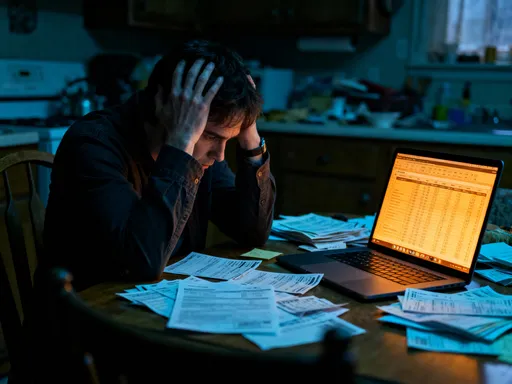
When my job ended unexpectedly, I wasn’t just dealing with resume updates — I was staring down rent, loans, and silence from employers. That gap felt like falling through cracks no one talks about. At first, I told myself it was temporary, that something would come along soon. But weeks turned into months, and the reality set in: income stops, but expenses don’t. Without emergency savings fully ready, I had to act fast. Dipping into long-term funds like retirement accounts wasn’t an option — the penalties and long-term cost were too high. I needed a different strategy, one that didn’t rely on luck or wishful thinking.
That’s when I started paying closer attention to economic trends. I began reading reports from the Bureau of Labor Statistics, following inflation data, and monitoring interest rate changes. These weren’t abstract concepts anymore — they directly impacted how far my money could stretch. I realized that reactive planning — waiting until the bank account was nearly empty to cut back — was a recipe for stress and poor decisions. Instead, I needed to anticipate challenges before they hit. Market forecasting became my tool, not for get-rich-quick schemes, but for smarter, more proactive financial navigation.
What surprised me most was how vulnerable a career break can make you feel, even if you’ve been financially responsible. The gap exposed blind spots: overreliance on a single income stream, lack of diversified skills, and insufficient buffers for unexpected delays. But it also gave me space to reflect and recalibrate. I started treating my personal finances like a small business — tracking inputs and outputs, analyzing risks, and adjusting based on data. This shift in perspective was crucial. Instead of feeling powerless, I began to see myself as someone who could influence outcomes through awareness and preparation.
Looking back, I understand now that many people go through career gaps silently, often without support or guidance. The stigma around unemployment can make it hard to talk about, but the financial strain is real. My experience taught me that preparation isn’t just about having savings — it’s about developing the ability to interpret economic signals and respond with confidence. That awareness became the foundation for everything that followed.
Why Market Forecasting Isn’t Just for Wall Street Insiders
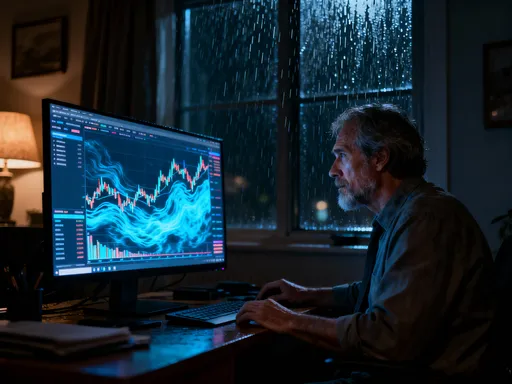
Most people think forecasting is for traders with six monitors and caffeine addictions. But in reality, it’s about reading trends — consumer behavior, industry shifts, economic signals — that affect everyday finances. I learned this by tracking which sectors were still hiring during downturns, noticing which skills stayed in demand, and adjusting my budget and plans accordingly. Forecasting helped me anticipate job market movements, not just investment swings. It’s not about predicting the future perfectly, but about reducing blind spots and making decisions with better information.
One of the first things I did was subscribe to free economic updates from government agencies and reputable financial institutions. The Federal Reserve’s reports, the Consumer Price Index, and employment data from the Department of Labor became part of my weekly routine. These sources are public, reliable, and designed to inform the general public — not just investors. By learning how to interpret them, I gained insights that helped me adjust my spending, delay certain purchases, and prioritize essential expenses.
For example, when I noticed inflation rising faster than wages, I knew my grocery and utility costs would increase. Instead of waiting to be surprised, I adjusted my budget ahead of time, shifted to more affordable brands, and reduced discretionary spending. Similarly, when I saw that remote work tools were in high demand, I explored freelance opportunities in that space. This wasn’t speculation — it was a response to observable trends. Forecasting, in this sense, became a way to align my personal decisions with broader economic realities.
Another key insight was that local economies often reflect national trends with a slight delay. By paying attention to hiring patterns in my community — such as increased job postings in healthcare or logistics — I could anticipate which skills might be valuable soon. This helped me decide where to focus my time and limited resources for training. The point wasn’t to become an economist, but to develop a habit of observation and analysis. Over time, this awareness built resilience, allowing me to respond to changes rather than react in panic.
Turning Data into Decisions: A Practical Approach to Financial Navigation
I started small — tracking inflation trends, interest rate directions, and sector performance using free, reliable sources. Instead of guessing, I aligned spending and savings with what the data suggested. For example, seeing tech hiring slow made me pause upskilling investments there and pivot toward healthcare training. I didn’t bet money on markets; I used insights to protect what I had and position for next steps. This approach turned forecasting into a practical tool, not a theoretical exercise.
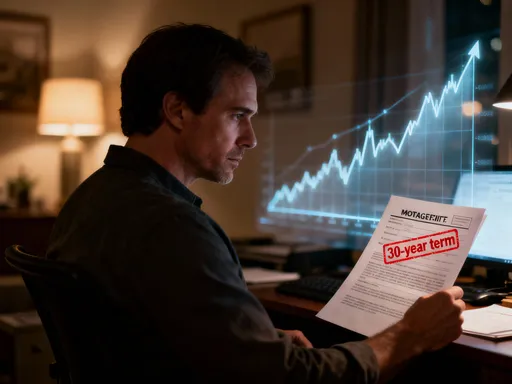
One of the most useful indicators I tracked was the yield on 10-year Treasury bonds. While that might sound technical, it’s actually a good proxy for broader interest rate trends. When yields rose, I knew borrowing would become more expensive, so I avoided taking on new debt. I also delayed large purchases that required financing, like a car. On the flip side, when yields were low, I considered whether it made sense to refinance existing debt — but only after running the numbers carefully.
Another key data point was the unemployment rate, especially when broken down by industry. A rising overall rate was concerning, but more telling was which sectors were losing jobs and which were adding them. I found that healthcare, education, and essential services tended to be more stable during downturns. This helped me decide where to focus my job search and training efforts. I also paid attention to consumer sentiment indexes, which gave me a sense of how confident people felt about spending. When sentiment was low, I knew businesses might cut back, so I tightened my own budget accordingly.
The challenge wasn’t access to information — it was filtering noise from useful signals. There’s no shortage of financial news, but much of it is designed to create urgency or fear. I learned to focus on leading indicators — data that tends to change before the economy as a whole — rather than lagging ones. For instance, initial jobless claims are a leading indicator of labor market health. A sudden spike could signal trouble ahead, giving me time to adjust before layoffs spread. By prioritizing these signals, I could make decisions with better foresight.
Over time, I developed a simple weekly review process: 30 minutes to scan key economic reports, update my budget assumptions, and note any trends worth watching. This routine kept me informed without overwhelming me. Forecasting, in this context, wasn’t about perfection — it was about staying aware and making incremental improvements. It became a compass, not a crystal ball.
Risk Control: Protecting Your Financial Floor When Income Isn’t Guaranteed
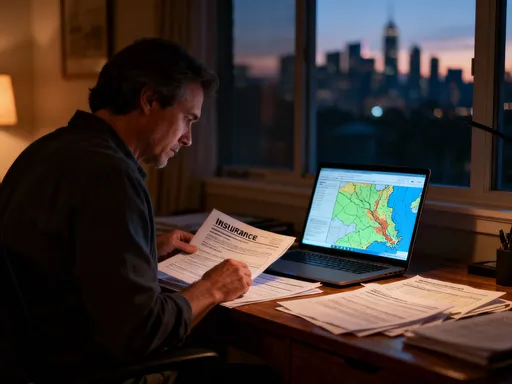
Without a steady paycheck, every dollar carries more weight. My focus shifted from growth to preservation. I prioritized downside protection — building small buffers, cutting non-essentials, and avoiding emotional spending traps. Forecasting helped me spot potential shocks early, like rising utility costs or job market freezes, so I could adjust before crisis hit. I also restructured debt timing based on expected economic turns, avoiding high-pressure refinancing when rates were unfavorable.
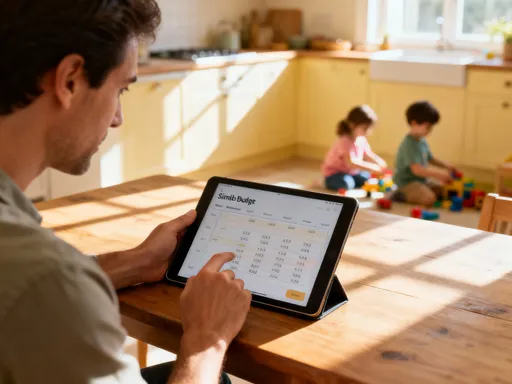
One of the first steps I took was calculating my break-even point — the minimum amount I needed each month to cover essentials like rent, food, insurance, and minimum debt payments. Once I knew that number, I could measure how long my savings would last and what trade-offs I’d need to make. This wasn’t a one-time exercise; I updated it monthly as prices changed and income sources fluctuated. Knowing my financial floor gave me clarity and reduced anxiety.
I also stress-tested my budget by running scenarios: What if my internet bill increased by 20%? What if I couldn’t find work for another six months? These exercises helped me identify vulnerabilities and plan for them. For example, I negotiated a payment plan with my credit card issuer to lower monthly payments temporarily. I also reached out to my landlord to discuss a short-term rent reduction, which they agreed to due to high vacancy rates in the area. These weren’t signs of failure — they were proactive risk management.
Another key strategy was avoiding emotional spending. During periods of uncertainty, it’s easy to seek comfort in small purchases — a meal out, a new piece of clothing, a subscription service. But these add up quickly. I implemented a 48-hour rule for any non-essential purchase: if I still wanted it after two days, I could buy it. This simple pause reduced impulse spending significantly. I also unsubscribed from marketing emails that triggered temptation.
Perhaps most importantly, I stopped viewing risk control as a sign of pessimism. It wasn’t about expecting the worst — it was about preparing for it so I could stay calm if it happened. That mindset shift made a huge difference. Instead of feeling anxious about the future, I felt more in control. Safety isn’t sexy, but it’s what keeps you solvent and ready to act when opportunities arise.
Spotting Hidden Opportunities in Uncertain Times
While surviving, I noticed something surprising — downturns create openings. Forecasting revealed emerging needs: remote work tools, digital skills training, freelance platforms gaining traction. I tested small income experiments in these areas, some failed, but one stuck. By aligning side efforts with trend signals, I built a bridge to my next role. This wasn’t about chasing hype, but leveraging foresight to act early — and wisely.
One trend I observed was the rapid growth of online learning platforms. With more people at home, demand for digital courses increased. I had some experience in curriculum design, so I reached out to a small e-learning company offering part-time contract work. It wasn’t full-time, but it provided steady income and flexibility. Later, I used that experience to position myself for a permanent role in educational technology.
I also explored freelance writing for financial websites. At first, I doubted I had enough expertise, but I realized that clear, practical advice was valuable — especially for people navigating uncertainty. I started small, writing one article at a time, and gradually built a portfolio. The key was validating ideas cheaply: I didn’t invest in a website or paid ads. Instead, I used free platforms to test demand and get feedback.
Another opportunity came from local businesses adapting to restrictions. Some shifted to online sales but struggled with digital marketing. I offered basic social media support for a few hours a week, which helped them and provided me with extra income. These micro-opportunities weren’t life-changing on their own, but together they created a safety net and kept my skills sharp.
The lesson here is that forecasting isn’t just defensive — it can be offensive too. By staying informed, I could see where needs were emerging and position myself to meet them. It wasn’t about getting rich quickly, but about finding sustainable ways to contribute and earn. And because I based these efforts on real trends, not guesses, I increased my chances of success.
The Mindset Shift: From Panic to Preparedness
Knowledge reduced my anxiety. Instead of scrolling job boards endlessly, I spent time understanding why hiring slowed and where it might restart. Forecasting gave me agency. I stopped feeling like a victim of circumstance and started making informed choices. This mental shift improved my confidence in interviews and negotiations later. I wasn’t just waiting for rescue — I was building a path forward.
One of the most powerful changes was in how I viewed time. At first, the career gap felt like a failure, a period of lost productivity. But as I applied forecasting to my situation, I began to see it as a season of learning and adaptation. I was still working — just not in a traditional job. I was managing risk, analyzing data, and testing new income streams. These are valuable skills, even if they don’t come with a title.
Emotional control became part of my financial routine. I scheduled regular check-ins with myself — not just on budget numbers, but on stress levels, energy, and motivation. When I felt overwhelmed, I returned to the data. Seeing trends in black and white helped ground me. It reminded me that economies move in cycles, and downturns are followed by recoveries. That long-term perspective made short-term struggles easier to bear.
I also found that staying informed made me a better communicator. In networking conversations, I could speak knowledgeably about industry trends, which made me more credible. Employers appreciated that I hadn’t been passive during my break. I wasn’t just surviving — I was growing. That confidence came not from bravado, but from preparation.
The psychological benefits of financial awareness can’t be overstated. When you understand the forces shaping your situation, you feel less helpless. You make decisions based on insight, not fear. That doesn’t eliminate stress, but it transforms it into something manageable — even productive.
Building a Sustainable Financial Routine Beyond the Gap
Eventually, I returned to work — but I kept the habits. Forecasting is now part of my regular check-ins, like a weather report for my finances. I track trends quarterly, adjust goals, and stay alert to shifts. This final section outlines how to maintain a light but consistent forecasting practice, integrate it with budgeting and career planning, and avoid complacency when income stabilizes. The goal isn’t perfection — it’s lasting resilience. What started as emergency response became a lifelong advantage.
Today, I set aside one hour every quarter to review key economic indicators: inflation, employment, interest rates, and sector performance. I compare them to my personal financial plan and make small adjustments as needed. For example, if inflation is rising, I might increase my emergency fund target. If a sector I’m interested in is growing, I consider upskilling. This routine takes little time but provides significant value.
I’ve also integrated forecasting into my budgeting. Instead of using last year’s numbers as a default, I consider current trends. If healthcare costs are rising, I allocate more to that category. If gas prices are falling, I might redirect savings to debt repayment. This dynamic approach keeps my budget realistic and forward-looking.
Career planning has changed too. I no longer wait for job postings to appear — I monitor industry health and skill demand in advance. This helps me stay ahead of changes and position myself for opportunities before they become crowded. It’s like planting seeds before the season starts.
Most importantly, I’ve learned to avoid complacency. Stability can be deceptive. Just because income is steady now doesn’t mean it will stay that way. Life is full of unexpected turns — health issues, family needs, economic shifts. By maintaining a habit of awareness, I’m better prepared for whatever comes next. Forecasting isn’t just for crises — it’s for clarity, control, and confidence in any season.