Beyond the Postcards: Where Prague’s True Art Beats
You know that feeling when you’ve seen all the famous sights, but something’s still missing? That’s exactly where I started in Prague. Beyond the Astronomical Clock and Charles Bridge lies a city pulsing with raw, unfiltered creativity. I’m talking underground galleries, repurposed factories, and artists turning forgotten spaces into magic. This isn’t just sightseeing — it’s soul-seeing. And trust me, Prague’s art spaces will rewrite everything you thought you knew about this fairy-tale city.
The Hidden Pulse of a Fairy-Tale City
Prague is often celebrated for its medieval spires and baroque facades, but beneath its postcard-perfect surface thrives a dynamic, living art scene. While millions flock to photograph the Old Town Square, a quieter revolution unfolds in forgotten courtyards, industrial zones, and tucked-away studios. This article dives deep into Prague’s lesser-known art spaces — not the grand museums, but the grassroots venues where creativity breathes freely. From experimental collectives to intimate galleries, these spaces reveal a side of Prague that textbooks rarely capture. Understanding them isn’t just about art appreciation; it’s about experiencing the city’s evolving identity.
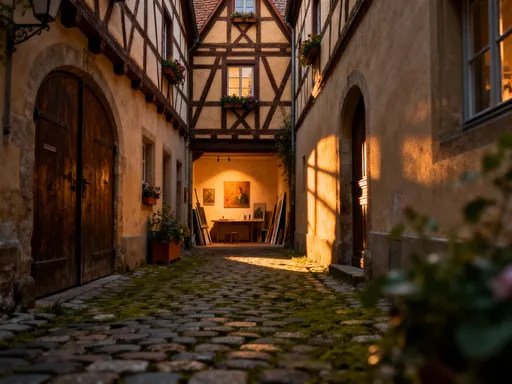
For many visitors, Prague remains a storybook city — all cobblestone lanes, golden rooftops, and centuries-old churches. Yet behind the postcard imagery, a contemporary heartbeat pulses. Artists have long used the city’s layered history as both canvas and context, responding to its political past, architectural richness, and cultural resilience. The result is an art ecosystem that doesn’t just exist in galleries but spills into alleyways, warehouses, and community centers. These spaces offer more than aesthetic pleasure; they invite emotional connection, intellectual curiosity, and a deeper sense of place. For the thoughtful traveler, especially those seeking meaning beyond the surface, Prague’s alternative art scene is a revelation.
What makes these spaces so compelling is their authenticity. Unlike tourist-oriented museums, they are not curated for mass appeal. Instead, they reflect the personal, the political, and the experimental. They are often run by artists for artists, sustained by passion rather than profit. This independence allows for bold expression, unconventional formats, and intimate encounters with creative process. To visit them is not to observe art from a distance, but to step inside it — to feel the texture of a half-finished sculpture, hear the echo of a rehearsal, or stand inches from a canvas still wet with meaning. In a world of curated experiences, these venues offer something rare: unfiltered truth.
The Legacy of Czech Avant-Garde: Roots of Contemporary Expression
To grasp Prague’s current art landscape, one must first understand its rebellious artistic roots. The Czech avant-garde, especially during the early 20th century and the underground movements of the Communist era, laid the groundwork for today’s experimental spirit. Artists like Karel Teige and the Devětsil group championed surrealism and constructivism, often clashing with political authorities. Their work fused poetry, design, and social vision, imagining a modern world shaped by art and innovation. Though many of their projects were suppressed, their ideas endured, passed down through generations of creators who valued freedom over conformity.
The legacy of resistance became especially vital during the normalization period after 1968, when creative expression was heavily censored. In response, unofficial art thrived in private apartments, basements, and hidden studios. These underground circles hosted secret exhibitions, poetry readings, and performance art, often at great personal risk. The absence of institutional support fostered a culture of resourcefulness — artists worked with found materials, repurposed spaces, and collaborative networks. This era nurtured a deep belief in art as a form of truth-telling, a quiet act of defiance against control and silence.
Today’s independent art spaces in Prague carry forward this ethos. The spirit of the underground lives on in venues that operate outside the mainstream, prioritizing integrity over popularity. Many contemporary artists cite the dissident era as a source of inspiration, not because they romanticize hardship, but because they admire the courage to create under pressure. This historical awareness shapes the tone of Prague’s art scene — it is thoughtful, often introspective, and deeply aware of context. Art here is not merely decorative; it is a continuation of a long conversation about identity, freedom, and the role of creativity in society.
Understanding this lineage enriches the experience of visiting Prague’s alternative galleries. It transforms a simple tour into a journey through time, where each artwork carries echoes of past struggles and present hopes. For the traveler, especially one attuned to cultural depth, this awareness fosters a more meaningful connection. You begin to see not just the piece on the wall, but the history behind it — the quiet defiance, the whispered conversations, the decades of resilience that made its creation possible.
DOX Centre for Contemporary Art: Innovation in a Repurposed Factory
Nestled in the Holešovice district, the DOX Centre stands as a symbol of Prague’s artistic reinvention. Housed in a former industrial complex, DOX transforms raw brick and steel into a sleek, modern gallery that hosts boundary-pushing exhibitions. The building itself tells a story — once a hub of manufacturing, now a sanctuary for ideas. Its high ceilings, exposed beams, and minimalist design create an atmosphere of openness, inviting visitors to engage with art that challenges, provokes, and inspires. DOX is not a museum of the past, but a laboratory for the present and future.
What sets DOX apart is its commitment to interdisciplinary dialogue — blending visual art with architecture, technology, and social commentary. Exhibits often take the form of immersive installations, where sound, light, and space converge to create powerful sensory experiences. One recent exhibition explored the ethics of artificial intelligence through interactive sculptures that responded to human movement. Another examined urban displacement with life-sized models of evicted homes, reconstructed inside the gallery. These works do not simply depict issues — they invite participation, encouraging viewers to reflect on their own roles in complex global realities.
The center also hosts lectures, film screenings, and artist talks, fostering a community of engaged thinkers. Its rooftop pavilion, connected by a glass bridge, offers not just panoramic views of Prague but a metaphor: art as a bridge between past and future. From this vantage point, one can see the city’s historic skyline alongside modern developments, a visual representation of the dialogue DOX seeks to cultivate. The café and bookstore below provide spaces for conversation, making DOX not just a destination, but a gathering place for those who believe in art’s power to shape understanding.
For visitors, DOX offers a refreshing contrast to Prague’s more traditional institutions. It is intellectually rigorous without being inaccessible, innovative without losing emotional resonance. The staff are knowledgeable and welcoming, often available to explain complex concepts in clear, thoughtful terms. Families, couples, and solo travelers alike find value here, drawn by the sense that they are encountering something vital and current. DOX proves that contemporary art can be both challenging and deeply human — a space where questions matter as much as answers.
MeetFactory: Where Art, Music, and Rebellion Collide
Founded by artist David Černý — known for his provocative sculptures — MeetFactory is more than a gallery. It’s a living ecosystem of creativity located in a repurposed brewery. The space nurtures emerging artists, hosts experimental theater, and runs a respected music residency program. Unlike conventional cultural institutions, MeetFactory resists categorization. It is part studio, part stage, part laboratory, and wholly dedicated to the idea that art should be free, fearless, and alive. Its energy is palpable the moment you step inside — a mix of anticipation, experimentation, and raw possibility.
Wander its corridors, and you might stumble upon a rehearsal, a printmaking workshop, or a late-night jazz set. The schedule is fluid, often changing by the week, reflecting the organic nature of creative work. One evening might feature a multimedia performance blending dance and digital projection; the next could host an open discussion on environmental art. This unpredictability is part of its charm. Visitors never quite know what they’ll encounter, but they can count on authenticity. There are no polished facades here — just real people making real art, often in real time.
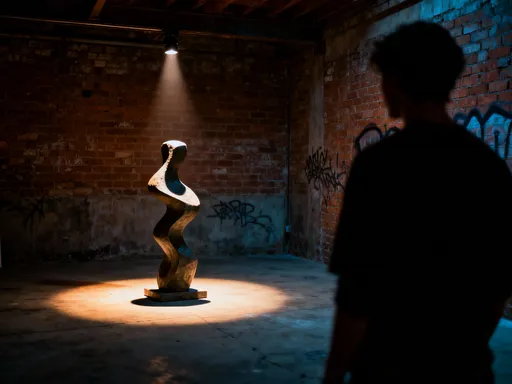
The raw aesthetic — exposed pipes, concrete floors, graffiti-tagged walls — reflects an anti-institutional ethos. MeetFactory doesn’t seek to impress with grandeur; it aims to inspire with honesty. The galleries are modest in size, but the works they display are bold in vision. Many exhibitions focus on social themes — migration, identity, inequality — presented through unconventional mediums. A recent show used recycled materials to construct life-sized figures, commenting on consumerism and waste. Another transformed the basement into a soundscape of urban noise, layered with personal testimonies from city residents.
For families and individuals seeking a deeper cultural experience, MeetFactory offers something rare: access. Artists are often present, willing to discuss their work. Educational programs introduce children to experimental techniques, fostering early appreciation for creative risk-taking. The outdoor courtyard, used for summer concerts and film nights, becomes a neighborhood hub, drawing locals and travelers into shared moments of reflection and joy. In a city sometimes overwhelmed by tourism, MeetFactory remains grounded in community — a reminder that art belongs to everyone, not just the elite.
Karlin Studios: The Quiet Power of Artist Residencies
Tucked away in a quiet neighborhood, Karlin Studios offers a different pace — a sanctuary for reflection and production. This residency program provides local and international artists with studio space, fostering cross-cultural exchange. Unlike public galleries, Karlin isn’t about immediate spectacle. It’s where ideas take shape, where paintings are layered and sculptures are welded in solitude. The studios are simple — large, well-lit rooms with minimal distractions — designed to support deep focus and sustained effort. Here, creativity unfolds slowly, quietly, away from the spotlight.
The residency model allows artists to immerse themselves in their practice, often for several weeks or months. They come from countries across Europe and beyond, drawn by Prague’s artistic legacy and the program’s supportive environment. Some use the time to research local history, incorporating Czech motifs into their work. Others respond to the city’s atmosphere, letting its rhythms influence their process. The result is a rich tapestry of perspectives, united by a shared commitment to exploration. While the studios are not always open to the public, occasional open studio events invite visitors behind the curtain, offering rare glimpses into the creative process.
These moments are transformative. To stand in a studio and watch an artist explain a half-finished piece is to witness vulnerability and dedication. You see the sketches pinned to the wall, the palette of dried paint, the tools worn smooth by use. It demystifies art, revealing it not as magic, but as labor — patient, persistent, and deeply personal. For viewers, especially those who may feel intimidated by contemporary art, these encounters build empathy and understanding. They realize that every finished work began with uncertainty, that even the most confident artists face doubt and revision.
Karlin Studios also hosts small talks and informal critiques, creating a space for dialogue between artists and the public. These gatherings are intimate, often held in the common kitchen or garden, where tea is shared and ideas flow freely. They reflect the program’s belief that art is not a solitary act, but a conversation. For travelers seeking connection, these events offer a rare opportunity to engage with creators on a human level — not as distant figures, but as neighbors, thinkers, and fellow seekers.
The Role of Urban Space: Street Art and Unofficial Galleries
Prague’s streets tell stories too. While some areas restrict graffiti, neighborhoods like Žižkov and Letná have become canvases for street artists. Unlike tourist-targeted murals, these works often carry irony, satire, or social critique. A stencil might depict a bureaucrat as a puppet; a large-scale painting could reimagine a historical figure in modern protest gear. These pieces emerge overnight, sometimes lasting only days before being painted over or removed. Their impermanence is part of their power — they exist not for preservation, but for impact.
Independent project spaces — sometimes no bigger than a closet — pop up in vacant shops or courtyards, hosting short-term exhibitions that fly under the radar. Organized by collectives or individual artists, these venues operate on shoestring budgets and volunteer effort. An exhibition might last a weekend, documented only through social media. Yet within those brief moments, they create intense experiences — intimate, urgent, and unfiltered. Visitors often hear about them through word of mouth, adding an element of discovery to the journey.
These unofficial galleries thrive on impermanence and surprise, embodying a DIY spirit that resists commercialization. They prove that in Prague, art doesn’t need permission — just courage and a spray can. For the observant traveler, exploring these spaces becomes a kind of urban treasure hunt. A side street might reveal a hidden courtyard covered in murals; an unmarked door could lead to a basement show featuring experimental photography. These encounters feel personal, as if the city has shared a secret just with you.
Walking through these neighborhoods, one gains a deeper appreciation for Prague’s creative resilience. Art here is not confined to institutions; it lives in the fabric of daily life. It appears in unexpected places — on shuttered windows, in abandoned lots, on the sides of trams. This ubiquity reflects a culture that values expression, even in small forms. For women in their thirties to fifties, often balancing family and personal interests, these discoveries offer moments of inspiration — reminders that creativity can flourish anywhere, given the will to begin.
Navigating the Scene: Practical Tips for Exploring Prague’s Art Spaces
Exploring these spaces requires curiosity and planning. Most are accessible via Prague’s efficient public transit, though some demand a bit of urban sleuthing. The city’s metro, tram, and bus systems are clean, safe, and easy to navigate, with clear signage in English. Holešovice, Karlin, and Žižkov are all reachable within 20 minutes from the city center, making day trips feasible even for those with limited time. A transit pass offers flexibility, allowing multiple stops and spontaneous detours.
Checking gallery websites or local art magazines like A2 or Flash Art Central Europe helps track current exhibitions. Many spaces update their calendars weekly, so a quick online search before departure can save disappointment. Social media accounts — especially Instagram and Facebook — are also valuable, often sharing behind-the-scenes glimpses and last-minute openings. Some venues operate on irregular hours, so confirming availability is essential.
Timing matters: many smaller venues open Thursday to Saturday, often in the late afternoon. This reflects the rhythm of artistic life — mornings for work, evenings for sharing. Planning visits around these windows increases the chance of seeing art in context, perhaps even meeting the creators. Consider visiting during the annual Weekend of Alternative Prague or Open Studios Prague, when dozens of hidden spaces throw open their doors. These events are especially welcoming, with maps, guides, and multilingual staff to assist international guests.
Comfortable shoes, a sense of adventure, and a willingness to get lost are essential. Prague’s charm often lies in the unplanned — a side street that leads to a mural, a courtyard that hums with music, a café where artists gather after a critique. For women who value both structure and spontaneity, this balance offers the best of both worlds. Packing a small notebook or camera (where permitted) allows for reflection and memory-keeping. Most importantly, approach each visit with openness — not every piece will resonate, but each encounter adds to a richer understanding of the city.
Seeing Prague Through the Eyes of Its Artists
To walk through Prague’s underground art spaces is to see the city anew — not as a frozen monument, but as a living, breathing canvas. These venues, born from resilience and imagination, offer more than aesthetics; they offer connection. They remind us that culture isn’t just preserved in museums, but created daily in studios, basements, and side streets. For travelers seeking depth over decor, Prague’s art spaces are not a detour — they are the destination. And in their quiet corners, you might just find the soul of the city, whispering, waiting to be discovered.
These spaces speak to the enduring power of creativity — its ability to transform the ordinary, challenge the status quo, and foster human connection. They honor the past without being bound by it, embracing innovation while respecting tradition. For the thoughtful observer, especially women who carry the roles of caregiver, partner, and individual, these experiences offer renewal. They affirm that personal expression matters, that curiosity is a lifelong companion, and that beauty can emerge from the most unexpected places.
Prague, in all its layered complexity, invites us to look deeper. Beyond the golden towers and tourist trails lies a city that thinks, dreams, and creates. Its art spaces are not hidden because they wish to exclude, but because they value authenticity over exposure. To find them is to be rewarded with moments of insight, wonder, and quiet joy. And in that discovery, we don’t just see Prague differently — we see ourselves more clearly, too.