You Won’t Believe What Canberra’s Food Scene Just Revealed
Canberra isn’t just Australia’s capital—it’s a quiet food revolution waiting to be tasted. I went in expecting politics and museums, but left obsessed with dumplings, vineyard feasts, and coffee that hits different. This city’s food culture blends global flavors with local soul in ways no one’s talking about. From suburban laneways to sun-drenched winery terraces, every meal tells a story shaped by migration, seasonality, and community. If you think you know Canberra, think again—its kitchens are telling a whole new story.
Beyond Politics: Discovering Canberra’s Unexpected Culinary Identity
For decades, Canberra has been dismissed as a city of bureaucrats and policy papers, a planned capital more known for its roundabouts than its restaurants. Yet beneath this calm administrative surface lies a thriving culinary identity shaped by decades of quiet transformation. Far from being a culinary backwater, Canberra has evolved into a mosaic of global tastes anchored in Australian authenticity. The city’s multicultural makeup—fueled by waves of migration from Asia, Southern Europe, and the Middle East—has planted deep roots in its dining scene. These communities didn’t just bring recipes; they brought traditions, techniques, and an enduring passion for food as connection.
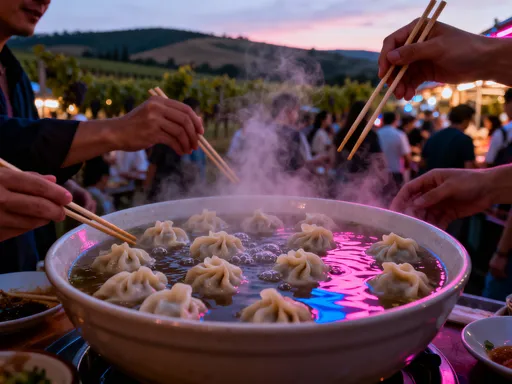
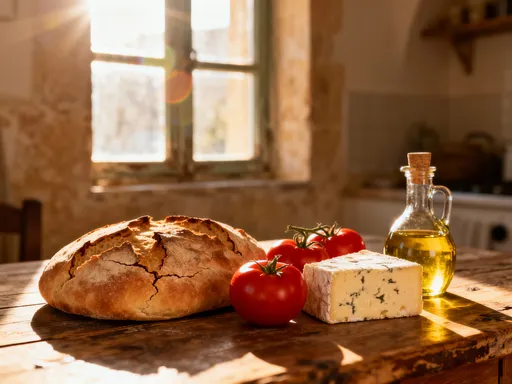
In neighborhoods like Dickson and Belconnen, the aroma of steamed pork and chive dumplings drifts from unassuming storefronts where families have folded dumplings by hand for generations. These are not fusion experiments or trendy pop-ups, but enduring institutions where authenticity is measured in texture, taste, and the warmth of the welcome. Similarly, in Braddon and O’Connor, family-run Mediterranean bakeries line the streets, offering flaky spanakopita, golden loaves of sourdough, and olive oils pressed from local groves. These kitchens serve as cultural outposts, preserving heritage through food while quietly shaping Canberra’s palate.
What sets Canberra apart is not just the diversity of its cuisines, but the way they coexist with intention. Unlike larger cities where global cuisines cluster in ethnic enclaves, Canberra’s planned layout encourages integration. A Vietnamese pho house sits comfortably beside a modern Australian bistro, which in turn neighbors a Lebanese grill. This blending isn’t forced—it’s organic, born from a community that values both tradition and innovation. The result is a food culture that feels inclusive, grounded, and refreshingly free of pretense. It’s not about chasing trends; it’s about honoring roots while embracing the present.
Tasting the Suburbs: How Neighborhoods Define Flavor
To understand Canberra’s food scene, one must move beyond the city center and explore its suburbs—each a distinct culinary universe with its own rhythm and flavor profile. Unlike sprawling metropolises where neighborhoods blur into one another, Canberra’s district-based design allows each area to cultivate a unique food identity. This geographic intentionality turns a simple meal into a journey through culture, history, and local pride. Manuka, for instance, exudes a refined elegance with its tree-lined streets and heritage buildings housing boutique cheese shops, patisseries, and wine bars that emphasize local pairings. A weekend morning here might begin with a warm almond croissant from a French-inspired bakery, followed by a tasting flight of cool-climate wines from nearby Murrumbateman.
Meanwhile, Tuggeranong, often overlooked by visitors, offers a more grounded, community-driven food experience. Its weekend markets are treasure troves of homemade preserves, free-range eggs, and slow-cooked curries prepared by local women’s collectives. The atmosphere is unpolished but sincere, where conversations flow as freely as the freshly pressed apple juice. These markets aren’t staged for tourists; they are lived-in spaces where food sustains both body and social fabric. In Kingston, the mood shifts again—industrial-chic warehouses have been transformed into vibrant dining hubs featuring wood-fired pizzerias, craft breweries, and seafood grills that source daily catches from the South Coast.
What makes suburban exploration so rewarding is the sense of discovery. There’s no pressure to “see it all” or check off Instagrammable spots. Instead, the joy lies in stumbling upon a hidden ramen bar tucked behind a library or finding a Greek souvlaki shop where the owner remembers your order. Each neighborhood tells a different story—of migration, resilience, and the quiet pride of feeding one’s community. By embracing this decentralized approach to dining, visitors gain not just a meal, but a deeper understanding of Canberra’s soul.
Farm to Fork, Canberra Style: The Rise of Local Provenance
At the heart of Canberra’s culinary evolution is a profound respect for origin. The region’s cool climate, fertile soils, and proximity to regional producers have fostered a farm-to-fork movement that is both practical and philosophical. Unlike larger cities that import the majority of their ingredients, Canberra chefs have direct access to nearby farms in the Yass Valley, Bungendore, and Murrumbateman—areas renowned for sustainable agriculture and artisanal production. This proximity allows restaurants to build relationships with growers, ensuring ingredients are not only fresh but ethically and seasonally sourced.
Menus across the city reflect this commitment. A winter dish might feature slow-braised lamb from a family-run station in Yass, served with roasted root vegetables from a biodynamic farm in Bungendore. In summer, plates come alive with heirloom tomatoes, native finger limes, and wild herbs foraged from the surrounding hills. Olive oils are pressed from groves just minutes outside the city, and honey is harvested from hives nestled among native eucalyptus trees. These ingredients aren’t just listed on menus—they are celebrated, often with the producer’s name and farm location included as a point of pride.
This emphasis on provenance extends beyond individual dishes to shape the city’s broader dining culture. Many restaurants host seasonal tasting events in collaboration with local farmers, inviting guests to meet the people behind their food. These gatherings foster a sense of transparency and trust, reinforcing the idea that eating is not just consumption, but participation in a larger ecosystem. Sustainability is not a marketing buzzword here—it is embedded in daily practice, from composting kitchen waste to using solar-powered irrigation on partner farms. In a world where food systems are increasingly complex and opaque, Canberra offers a refreshing model of clarity and care.
Hidden Kitchens: The Best Meals Are Off the Radar
While guidebooks may spotlight Canberra’s award-winning restaurants, the city’s most memorable meals often happen in places that don’t appear on maps. These are the unassuming, word-of-mouth destinations that locals guard like secrets—the hole-in-the-wall Thai cafe where the green curry is simmered for hours, or the converted heritage cottage in Ainslie that transforms into an intimate supper club once a week. These spaces thrive not on branding or social media presence, but on consistency, authenticity, and the quiet satisfaction of those who find them.
One such gem is a modest eatery in Fyshwick, originally established by a Thai-Australian family decades ago. With no website and only a hand-painted sign, it serves some of the most aromatic massaman curry in the region—rich, coconut-laced, and layered with spices ground fresh daily. There are no frills, just plastic stools, a fan spinning overhead, and the hum of conversation in multiple languages. Another favorite is a pop-up dinner series held in a restored 1920s garage in Kingston, where chefs experiment with native ingredients like wattleseed and lemon myrtle, creating modern Australian dishes that feel both innovative and deeply rooted.
What makes these hidden kitchens special is their resistance to commercialization. They operate on trust, reputation, and a shared understanding that great food doesn’t need to be loud or flashy. Many rely on community boards, neighborhood Facebook groups, or simple flyers to announce their hours. This slow, organic form of discovery adds to the experience—there’s a sense of privilege in being let in on something genuine. For visitors willing to step off the beaten path, these kitchens offer not just nourishment, but connection. They remind us that the heart of any food culture beats strongest in the quiet corners, where passion outweighs profit.
Coffee Culture That Runs Deeper Than a Latte Art
In Canberra, coffee is not a morning ritual—it’s a cultural institution. The city’s café culture runs deep, shaped by a community that values quality, consistency, and conversation over trends. While Sydney and Melbourne may dominate the national conversation about coffee, Canberra has cultivated its own understated sophistication, where the focus is on the bean, the brew, and the space it creates for human connection. From NewActon’s sleek espresso bars to Ainslie’s cozy neighborhood roasteries, cafés function as living rooms for the community—places to meet, work, reflect, and recharge.
Local roasters take pride in sourcing beans from ethical farms in Colombia, Ethiopia, and Papua New Guinea, often building long-term partnerships with growers to ensure fair wages and sustainable practices. The roasting process is meticulous, with small batches carefully monitored to bring out nuanced flavor profiles—notes of dark chocolate, stone fruit, or jasmine that unfold with each sip. Brewing methods vary, from precision pour-overs to classic Italian espresso machines, but the goal remains the same: to deliver a cup that is balanced, aromatic, and deeply satisfying.
What sets Canberra’s coffee culture apart is its lack of pretension. There are no theatrical latte art competitions or gimmicky flavor infusions. Instead, baristas are knowledgeable without being intimidating, happy to explain the origin of a single-origin blend or recommend a brewing method based on personal taste. Many cafés also serve simple, high-quality food—house-made granola, sourdough toast with local butter, or seasonal fruit tarts—that complements the coffee without overshadowing it. In a fast-paced world, these spaces offer a rare opportunity to slow down, savor, and simply be.
Seasonal Secrets: Timing Your Visit for Food-Focused Travel
To experience Canberra at its culinary best, timing is everything. The city’s food calendar is shaped by the seasons, with each time of year offering distinct flavors, events, and opportunities for discovery. Spring brings the blooming of canola fields and the return of farmers’ markets brimming with fresh greens, goat cheese, and early berries. It’s also the season of the **Taste of Canberra** festival, a beloved annual event where top restaurants open their doors for special tastings, live cooking demonstrations, and vineyard picnics. This is the perfect time to sample the city’s diversity in one vibrant weekend.
Summer ushers in long evenings at outdoor wine bars and rooftop terraces, where chilled vermouth and grilled seafood dominate the menu. Winery open days in Murrumbateman and Bungendore invite visitors to tour vineyards, meet winemakers, and enjoy paired meals under the stars. Autumn transforms the landscape with golden hues and harvest festivals celebrating apples, olives, and truffles. It’s a quieter season, ideal for those who prefer a more intimate, low-key experience. Winter, often underestimated, reveals Canberra’s cozy side—wood-fired ovens, mulled wine, and hearty stews made with root vegetables and free-range meats. Indoor markets and cozy bistros come alive, offering warmth and comfort during the cooler months.
For food-focused travelers, aligning a visit with these seasonal rhythms enhances the experience exponentially. It allows for deeper engagement with local producers, participation in community events, and access to ingredients at their peak. While the city never feels overcrowded, planning around key dates ensures access to special menus, limited-run events, and the full spectrum of what Canberra’s food culture has to offer. And because the city remains relatively under the tourist radar, even during festivals, visitors enjoy a sense of exclusivity—a chance to discover something remarkable before the rest of the world catches on.
Eating with Purpose: How Food Shapes Canberra’s Future
More than just a source of pleasure, food in Canberra has become a quiet force for positive change. It is a lens through which the city is redefining its identity—not as a political afterthought, but as a thoughtful, resilient community rooted in sustainability and connection. Every meal chosen from a local farm, every dollar spent at a family-run bakery, every conversation shared over coffee contributes to a larger vision of what a capital city can be. This is not food as spectacle, but food as stewardship—a daily act of care for the land, the people, and the future.
Restaurants and cafés are increasingly aligning with environmental goals, reducing waste through composting, eliminating single-use plastics, and designing menus around what the region can sustainably produce. Chefs are collaborating with Indigenous communities to incorporate native ingredients in ways that honor tradition and promote cultural preservation. Community gardens and urban farming initiatives are expanding, giving residents direct access to fresh produce while strengthening neighborhood bonds. These efforts reflect a broader ethos: that food is not just fuel, but a foundation for building a better world.
For visitors, this means more than just enjoying great meals—it means participating in a culture of mindfulness. Choosing to dine locally, to ask about ingredients, to linger over a conversation instead of rushing through a meal, becomes an act of alignment with values that matter. Canberra doesn’t shout about its achievements; it lives them quietly, one thoughtful bite at a time. In a world hungry for authenticity, connection, and care, this unassuming capital may just be leading the way. So the next time you think of Australia’s heart, don’t just picture Parliament House—picture a table set with seasonal food, shared with friends, grown with intention. That is the real capital of Canberra.