You Won’t Believe These Natural Wonders Hiding in Havana
When you think of Havana, vintage cars and colonial architecture probably come to mind—but what if I told you the city also holds breathtaking natural secrets? From coastal mangroves to hidden beaches just a short ride away, Havana’s natural side is wildly underrated. I was blown away by how much raw beauty exists beyond the city streets. Let me take you through the lush, sun-kissed spots that deserve a spot on every traveler’s list. While many visitors focus solely on the vibrant music, colorful buildings, and historic plazas, those who take the time to explore Havana’s surrounding landscapes are rewarded with serene coastlines, rich wetlands, and mountain retreats that feel a world away. These natural escapes offer not just relaxation but a deeper understanding of Cuba’s environmental treasures.
Beyond the City: The Surprising Natural Landscape of Havana
Havana is more than a cultural capital—it is a gateway to some of the Caribbean’s most underappreciated natural environments. Nestled along the northwestern coast of Cuba, the city benefits from a tropical savanna climate, marked by warm temperatures year-round and distinct wet and dry seasons. This favorable weather supports a surprising diversity of ecosystems, from saltwater marshes to coastal dunes and subtropical forests just beyond the urban sprawl. While the city pulses with energy, its proximity to untouched nature allows travelers to transition from bustling streets to tranquil shores in under an hour.
The coexistence of urban life and natural beauty in Havana is both unique and inspiring. Unlike many capital cities that have overtaken their surroundings, Havana maintains a delicate balance with the environment. The city’s coastal location along the Straits of Florida means ocean breezes temper the heat, while nearby protected areas serve as sanctuaries for native flora and fauna. These zones are not only vital for ecological health but also provide residents and visitors with accessible outdoor recreation. From weekend beach trips to eco-tours in nearby reserves, the rhythm of life in Havana often includes a retreat into nature.
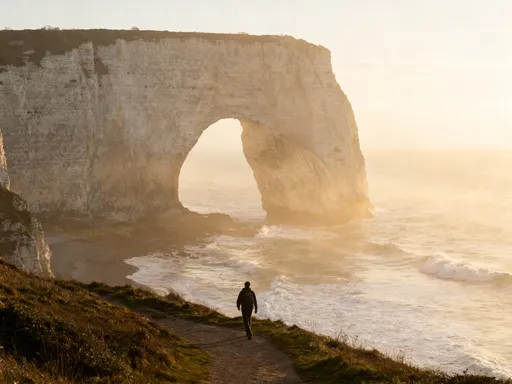
Key natural zones surrounding the city include the northern coastline, where waves meet limestone cliffs and soft sandy shores; the wetlands of Lagunas de la Paz, teeming with birdlife and aquatic species; and the elevated regions of the Sierra del Rosario, which offer cooler temperatures and dense vegetation. Each of these areas contributes to Havana’s ecological richness and offers distinct experiences for nature lovers. Whether you’re interested in marine life, forest hikes, or simply finding peace under a canopy of trees, these landscapes provide a refreshing counterpoint to the city’s vibrant pace.
Playas del Este: Where the City Meets the Sea
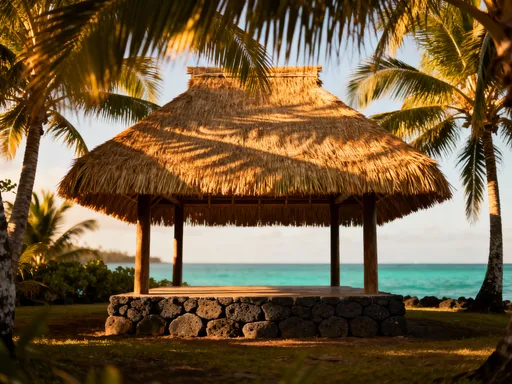
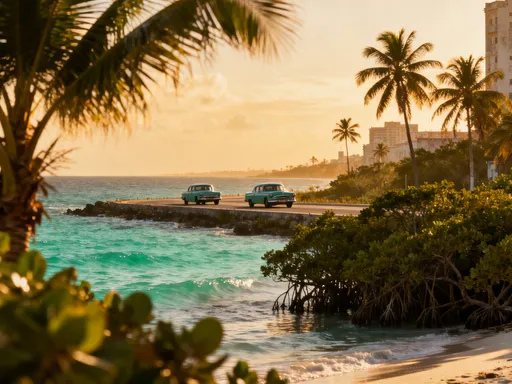
Just a short drive east of central Havana lies Playas del Este, a string of pristine beaches that stretch for over 20 kilometers along the Atlantic coast. This seaside escape is beloved by locals and increasingly discovered by international travelers seeking sun, sand, and crystal-clear waters without the crowds of more remote Cuban destinations. The journey from the city takes less than an hour, making it an ideal day trip for families, couples, or solo adventurers looking to unwind by the ocean. Along the way, palm trees sway in the breeze and the scent of salt fills the air, building anticipation for the coastline ahead.
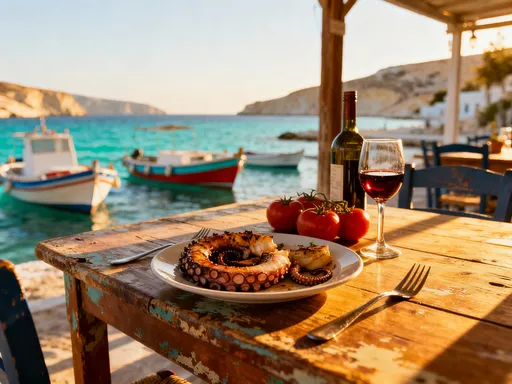
The waters at Playas del Este are strikingly clear, revealing hints of coral formations beneath the surface. While not as extensive as Cuba’s southern barrier reefs, these shallow coral beds support a variety of fish and marine life, making snorkeling a rewarding experience, especially in protected coves. The sandy bottom slopes gently into the sea, making it safe for children and ideal for swimming. Some sections of the beach are lined with casas de playa—simple beachfront restaurants—where visitors can enjoy fresh seafood, cold drinks, and traditional Cuban music played by local musicians in the afternoon sun.
To make the most of a visit, travelers should plan their trip between November and April, the dry season, when rainfall is minimal and water visibility is at its peak. Mornings are the best time to arrive, as the beaches are less crowded and the sunlight is softer for photography. It’s advisable to bring sunscreen, plenty of water, a hat, and beach gear, as rental options are limited. While public transportation is available, hiring a private driver or joining a guided tour offers greater flexibility and comfort, especially when returning with sandy feet and sun-kissed skin. Playas del Este is not just a beach destination—it’s a living part of Havana’s culture, where relaxation and community come together by the sea.
The Hidden Mangroves of Lagunas de la Paz
Approximately 45 minutes southwest of Havana, nestled between farmland and coastal plains, lies the Lagunas de la Paz Ecological Reserve—a quiet sanctuary often overlooked by mainstream tourism. This protected wetland spans over 500 hectares and is home to one of the most important mangrove forests in western Cuba. Mangroves, with their tangled roots and salt-tolerant leaves, play a crucial role in stabilizing shorelines, filtering pollutants, and serving as nurseries for fish, crabs, and other marine species. The reserve’s network of lagoons, marshes, and forested waterways creates a unique habitat that supports over 100 species of birds, including herons, kingfishers, and the endangered West Indian whistling duck.
Visitors to Lagunas de la Paz are typically guided by local naturalists who lead small groups on eco-friendly kayak tours through the narrow water channels. Paddling silently through the shaded mangrove tunnels offers an intimate experience with nature—birds call from the branches, dragonflies hover above the water, and the occasional iguana might be spotted sunning itself on a root. These tours are designed to minimize disturbance, allowing wildlife to thrive while educating guests about the importance of wetland conservation. Some trips include stops at observation platforms where binoculars can be used for birdwatching or quiet reflection.
Beyond its ecological significance, Lagunas de la Paz offers a rare opportunity to connect with Cuba’s quieter, more introspective side. The pace is slow, the air is fresh, and the sounds of the city fade into memory. Educational programs at the reserve’s visitor center explain how local communities benefit from sustainable tourism and how conservation efforts help protect against coastal erosion and storm surges. For travelers who value meaningful experiences over photo ops, this reserve represents the heart of responsible eco-tourism. A visit here is not just a tour of nature—it’s a lesson in balance, resilience, and the quiet power of preservation.
Soroa: The Emerald Mountain Escape
Just over an hour’s drive from Havana, tucked into the lush folds of the Sierra del Rosario mountains, lies the village of Soroa—a destination so rich in greenery it’s earned the nickname “the green pearl of Cuba.” Surrounded by dense forest, cascading waterfalls, and misty hills, Soroa offers a dramatic contrast to the coastal heat of the capital. The cooler mountain climate, often 5 to 7 degrees Celsius lower than Havana, makes it a refreshing retreat, especially during the summer months. This area is part of the UNESCO-recognized Biosphere Reserve of Sierra del Rosario, a testament to its ecological importance and conservation success.
The centerpiece of Soroa is its famous orchid garden, established in the 1970s with support from international botanists. Home to over 200 species of orchids, the garden blooms year-round, with vibrant pinks, purples, and whites clinging to trees and climbing trellises. Beyond its beauty, the garden plays a vital role in research and conservation, helping to preserve native species and educate visitors about plant biodiversity. Guided tours explain the delicate life cycle of orchids and the threats they face from habitat loss and climate change. The garden also includes a butterfly house and a small café with views of the surrounding forest, perfect for a peaceful pause.
For those who love to move, Soroa offers several well-maintained hiking trails that wind through the rainforest and lead to natural swimming holes beneath waterfalls. One popular route takes hikers to Salto de Soroa, a 15-meter waterfall where locals and visitors alike cool off in the natural pool below. The trail is moderately challenging but suitable for most fitness levels, and guides are available to ensure safety and share insights about the local ecosystem. Whether you’re drawn by botany, adventure, or simply the desire to breathe clean mountain air, Soroa delivers a deeply restorative experience that stays with you long after you return to the city.
Viñales Valley Day Trip: A Natural Masterpiece
Though located about two and a half hours from Havana in the Pinar del Río Province, Viñales Valley is considered an essential natural excursion for any visitor to the capital. This UNESCO World Heritage Site is renowned for its dramatic limestone formations called mogotes—steep-sided, rounded hills that rise abruptly from fertile farmland like ancient sentinels. The valley’s landscape is both surreal and harmonious, where traditional tobacco farming continues much as it has for generations, blending human activity with natural beauty. Rolling fields of bright green tobacco plants stretch between mogotes, creating a patchwork of color and texture that changes with the seasons.
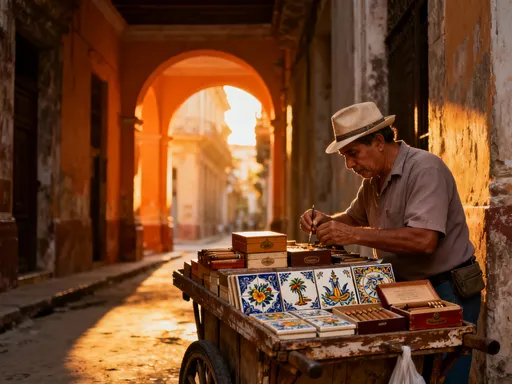
Beyond its visual appeal, Viñales is a hub for eco-tourism and cultural immersion. Visitors can tour working tobacco farms, learn about the cigar-making process from local farmers, and even try their hand at rolling a cigar. The valley also features extensive cave systems, some of which contain prehistoric rock art and underground rivers. One of the most visited is Cueva del Indio, accessible by boat and lit with soft lighting to highlight its stalactites and ancient carvings. These caves offer a cool, otherworldly experience, especially on hot days.
For active travelers, Viñales offers horseback riding, hiking, and biking tours that explore the valley and its surrounding trails. Many tours are led by local guides who share personal stories and historical insights, enriching the experience. Transportation options from Havana include private transfers, shared shuttles, and organized day tours, many of which include lunch at a countryside restaurant. While it’s possible to visit Viñales as a long day trip, those who can stay overnight are rewarded with sunrise views over the mogotes—a sight many describe as magical. The valley is not just a destination; it’s a living portrait of Cuba’s agricultural heritage and natural grandeur.
Urban Nature: Parks and Green Spaces Within Havana
While the natural wonders outside Havana are impressive, the city itself contains several green oases that offer respite from the urban environment. These parks and plazas, often shaded by towering royal palms and ceiba trees, serve as vital lungs for the capital and cherished gathering spots for locals. One of the most notable is Parque Metropolitano, a revitalized green space located near the Malecón. Once neglected, it has been transformed into a vibrant public park with walking paths, exercise stations, and open lawns where families picnic and children play. Early mornings and late afternoons see the park come alive with people practicing tai chi, dancing, or simply enjoying the sea breeze.
Other green spaces, such as Parque de la Fraternidad and the gardens surrounding the National Capitol, provide quieter corners for reflection and relaxation. These areas are carefully maintained and often feature fountains, sculptures, and native plantings that reflect Cuba’s horticultural heritage. In residential neighborhoods, small pocket parks and tree-lined sidewalks contribute to a sense of community and well-being. For many Havana residents, these spaces are not luxuries but necessities—places to escape the heat, socialize, and recharge.
The importance of urban greening in tropical cities like Havana cannot be overstated. Green spaces help regulate temperature, reduce air pollution, and support urban biodiversity. They also promote physical and mental health, offering accessible venues for exercise and stress relief. City planners and community groups continue to invest in expanding and preserving these areas, recognizing that a livable city must include nature within its fabric. For visitors, spending time in Havana’s parks offers a more intimate glimpse into daily life—a chance to observe, connect, and slow down amidst the rhythm of the city.
Sustainable Travel Tips for Exploring Havana’s Natural Wonders
As interest in eco-tourism grows, it’s essential to approach Havana’s natural attractions with care and responsibility. These environments, while resilient, are also fragile and vulnerable to overuse, pollution, and climate change. Travelers can make a positive impact by adopting sustainable practices that protect the very places they come to enjoy. One of the most effective actions is minimizing waste—bringing reusable water bottles, avoiding single-use plastics, and properly disposing of trash, especially in remote areas where waste management systems may be limited.
Respect for wildlife is equally important. Observing animals from a distance, refraining from feeding them, and staying on marked trails help prevent disturbance to natural behaviors and habitats. In mangroves, coral zones, and forests, even small actions—like stepping on coral or picking plants—can have long-term consequences. Choosing certified eco-tours and licensed guides ensures that visits support local conservation efforts and contribute fairly to community economies. Many guides in places like Soroa and Lagunas de la Paz are trained in environmental education and depend on tourism for their livelihoods.
Travelers should also be mindful of water usage and energy consumption, particularly in rural areas where resources are scarce. Supporting locally owned businesses, from restaurants to guesthouses, helps sustain the economic benefits of tourism within the community. Above all, adopting a mindset of humility and curiosity allows for a deeper, more meaningful connection with the places visited. Sustainable travel is not about perfection—it’s about intention. By making thoughtful choices, visitors help ensure that Havana’s natural wonders remain vibrant and accessible for future generations.
Conclusion
Havana’s natural wonders aren’t just add-ons to the cultural experience—they’re essential to understanding the soul of the region. These landscapes tell stories of resilience, beauty, and balance between people and nature. From the sparkling shores of Playas del Este to the quiet corridors of mangroves in Lagunas de la Paz, from the emerald heights of Soroa to the timeless valleys of Viñales, each destination offers a unique window into Cuba’s environmental richness. Even within the city, green spaces provide vital sanctuaries that reflect the deep connection Cubans have with their land.
By stepping off the beaten path, travelers gain a deeper connection to Cuba’s true spirit. They move beyond postcard images to experience the rhythms of nature, the warmth of community, and the quiet dignity of conservation. These natural escapes do not overshadow Havana’s cultural treasures—they enhance them, revealing a fuller, more nuanced portrait of the island. So next time you plan a trip, don’t just explore the streets—let the wild side of Havana surprise you. Let the breeze guide you to the coast, the trail lead you into the forest, and the silence of a mountain morning remind you why travel, at its best, is a journey of wonder and respect.