You Won’t Believe These Hidden Havana Shops Everyone Misses
Havana isn’t just about vintage cars and colorful colonial streets—its real magic hides in unexpected corners where locals shop, barter, and create. I stumbled upon markets and boutiques far from tourist brochures, where art, fashion, and culture blend seamlessly. These secret shopping spots offer authenticity you can’t find elsewhere. If you’re planning a trip, trust me—this is the Havana experience you didn’t know you needed.
The Allure of Off-the-Radar Shopping in Havana
While most visitors follow well-worn paths to iconic plazas and government-run stores, a quieter, more intimate side of Havana thrives just beyond the postcard scenes. Hidden shops—often family-run, unmarked, or tucked into residential courtyards—offer a glimpse into daily Cuban life shaped by creativity, resilience, and community. These spaces are not designed for mass tourism; they exist because people need to sell, trade, and sustain their livelihoods in an economy where resources are limited and innovation is essential. What makes these venues so compelling is their authenticity: every item tells a story, every vendor has a reason for being there, and every transaction feels personal.
Unlike official retail outlets that cater to foreign currency and standardized inventory, off-the-radar shopping in Havana reflects the island’s unique economic reality. With decades of trade restrictions and limited imports, Cubans have learned to make the most of what they have. This resourcefulness fuels a culture of handmade goods, repurposed materials, and locally sourced products. Shopping here isn’t just about acquiring souvenirs—it’s about participating in a system where craftsmanship meets necessity. When travelers choose to explore these lesser-known spots, they step into a world where commerce is deeply human, where relationships matter more than receipts, and where the value of an object often extends beyond its price.
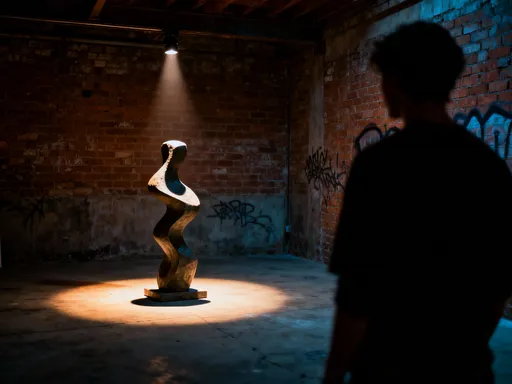
Moreover, this shift from tourist-centered commerce to community-driven markets represents a growing movement across Havana. Young artists, designers, and entrepreneurs are reclaiming underused spaces—abandoned warehouses, crumbling patios, and quiet alleyways—and transforming them into vibrant centers of exchange. These initiatives are not only revitalizing neighborhoods but also giving locals new opportunities to earn income on their own terms. By supporting such venues, visitors contribute directly to grassroots economies rather than feeding into state-controlled enterprises. The result is a more balanced, ethical form of tourism that honors both culture and commerce.
Artisans’ Alleyways: Where Creativity Thrives in Old Havana
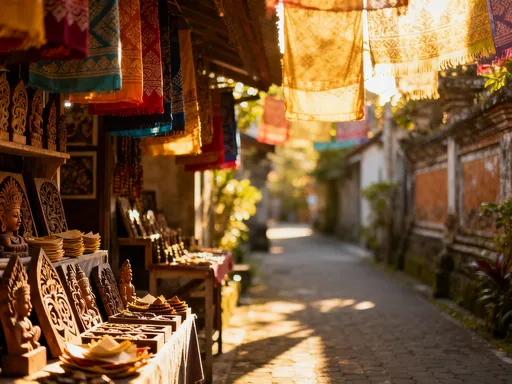
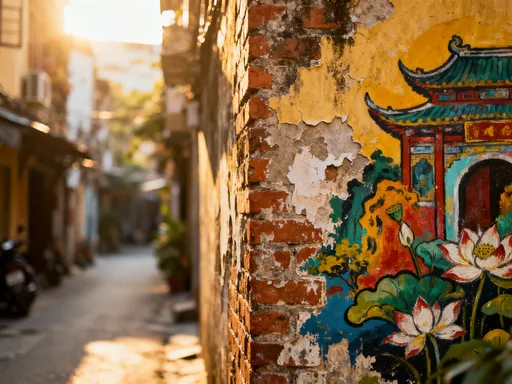
Wander through the narrow lanes of Old Havana, and you’ll soon discover that some of the city’s greatest treasures aren’t listed in guidebooks. In shaded courtyards near Plaza Vieja and along quiet stretches of Calle Mercaderes, small workshops buzz with activity. Here, artisans paint intricate murals on ceramic tiles, sculpt figures from reclaimed wood, and assemble jewelry from discarded machine parts. These creators work with what’s available, turning scarcity into inspiration. Their studios are often open-air, with folding tables serving as displays and hammocks strung between walls for quick rests between customers. There’s no branding, no signage—just talent on full display.
One such spot, a hidden courtyard accessible through an unassuming archway off Calle San Ignacio, hosts a rotating collective of painters, potters, and textile artists. Visitors who take the time to knock or call out are often welcomed like old friends, invited to watch a piece being finished or even try their hand at a simple craft. The works on sale range from miniature tile mosaics depicting Cuban landscapes to life-sized wooden masks inspired by traditional carnival celebrations. Prices are modest, typically ranging from a few convertible pesos to under twenty dollars for larger pieces, making them accessible while still respecting the labor involved.
These micro-studios do more than showcase art—they preserve cultural identity. Many of the motifs used in paintings and carvings draw from Afro-Cuban religions, indigenous symbolism, and revolutionary history, offering subtle lessons in national heritage. For older artists, creating is both a livelihood and a legacy; for younger ones, it’s a way to assert individuality within a tightly regulated society. By purchasing directly from these makers, travelers help sustain traditions that might otherwise fade. More importantly, they gain insight into how art functions not as decoration, but as resistance, memory, and hope.
Fábricas de Arte and Pop-Up Markets: Havana’s New Creative Economy
A new wave of creative energy is reshaping Havana’s cultural landscape, centered around repurposed industrial buildings known as fábricas de arte—art factories. Though the most famous example closed its original location, the concept lives on in various forms across the city. Former tobacco warehouses, defunct printing presses, and abandoned power stations now serve as multi-use venues where music, performance, food, and shopping intersect. These spaces operate unofficially, often without permits or fixed schedules, relying instead on word-of-mouth and social media to draw crowds. On any given weekend, one might find a pop-up market inside a crumbling Art Deco factory in Centro Habana, buzzing with energy and possibility.
At these gatherings, young Cuban entrepreneurs sell handmade goods that reflect contemporary island life. You’ll find leather bags stitched from old seat belts, earrings crafted from melted vinyl records, and tote bags screen-printed with vintage Cuban propaganda art reimagined with playful irony. Textile artists use natural dyes and handloom techniques to create scarves and dresses that blend Spanish, African, and Caribbean influences. Each item carries a sense of place and personality, standing in stark contrast to the generic T-shirts and keychains sold near tourist zones.
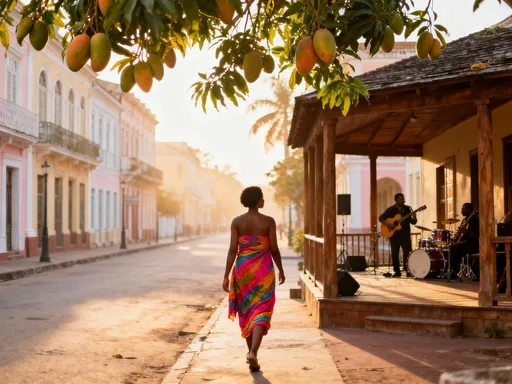
What sets these markets apart is their atmosphere. They’re not sterile shopping environments but lively cultural events. Live bands play son and timba music from makeshift stages, children run between stalls, and neighbors gather to share meals cooked on portable stoves. Vendors don’t just sell—they engage, explaining their processes, sharing stories, and sometimes offering demonstrations. This fusion of commerce and community creates an experience that feels organic and inclusive. For visitors, it’s a chance to witness Havana’s evolving identity: one that honors tradition while embracing change, and that finds joy in creation despite constraints.
Local Fashion Finds: Beyond the Tourist T-Shirts
If you’ve walked through Old Havana’s main squares, you’ve likely seen the same souvenirs repeated endlessly: Che Guevara shirts, cigar-themed trinkets, and mass-produced crafts shipped in from abroad. But just a short taxi ride away, in the leafy suburbs of Vedado and Miramar, a different fashion scene unfolds. Here, independent designers run small boutiques out of their homes or shared studio spaces, offering clothing that reflects Cuba’s rich textile history and tropical climate. These garments are made to be worn, not just displayed—a testament to style born of necessity and beauty born of skill.
One designer in Vedado, trained in Havana’s National School of Design, creates flowing linen dresses using natural dyes extracted from local plants like mamey and guava leaves. Her patterns incorporate geometric shapes reminiscent of 1950s modernism, updated with asymmetrical cuts and hand-embroidered details. Another collective in Miramar specializes in upcycled denim, transforming worn jeans into structured jackets, patchwork skirts, and reversible bags. Their work speaks to both sustainability and self-expression, proving that fashion can be eco-conscious even in a country with limited access to new materials.
Shopping here requires a discerning eye. Authentic pieces are often labeled with handwritten tags or come in simple cloth bags bearing the designer’s name. Look for signs of handwork—uneven stitching, slight color variations, or fabric irregularities—as these indicate genuine craftsmanship. Avoid items that feel too perfect or uniform, as they may have been imported despite claims of local origin. When in doubt, ask questions: Where was this made? Who made it? How long did it take? Most creators are proud to share their process and will appreciate your interest. Buying from them supports not just an individual but a growing network of Cuban designers striving to build a sustainable fashion industry from the ground up.
Cigar and Coffee: Specialty Shops with Soul
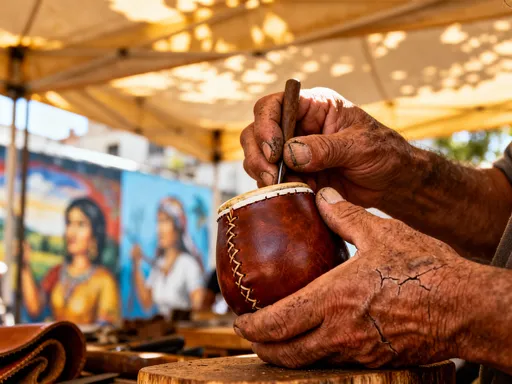
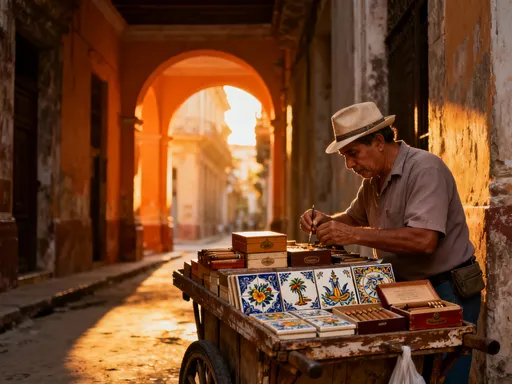
No visit to Cuba feels complete without experiencing its legendary cigars and coffee—yet the best versions of both are rarely found in hotel gift shops or official stores. Instead, seek out small, family-run establishments tucked into residential buildings or hidden behind unmarked doors. These specialty shops offer premium products sourced directly from regional farms, often grown and cured by the same families for generations. The experience is intimate: a grandmother might hand-roll a cigar while recounting stories of her father’s tobacco field, or a young barista might brew a cup using beans roasted in a backyard oven. This personal touch transforms a simple purchase into a meaningful encounter.
One such shop, located in a quiet Vedado neighborhood, operates out of a converted living room. Shelves lined with cedar boxes hold cigars aged to perfection, each labeled with the region of origin—Pinar del Río, Vuelta Abajo, Partido—and the year of harvest. The owner, a retired agronomist, offers guided tastings, explaining how soil composition and curing methods affect flavor. He discourages bulk buying, preferring that visitors take home a few high-quality cigars rather than dozens of lower-grade ones. His philosophy is simple: “Cigars should be savored, not collected.”
Coffee shops follow a similar model. Unlike commercial brands that export most of their beans, these small vendors sell locally roasted blends in paper-wrapped bundles tied with twine. The coffee is strong, aromatic, and often mixed with a touch of cinnamon or clove for a uniquely Cuban twist. Some families even invite guests to sit and drink a cup together, turning commerce into hospitality. By choosing these authentic sources, travelers support small-scale producers who reinvest in their communities. It’s a far cry from sterile retail transactions—and infinitely more memorable.
Bartering Culture and Practical Tips for Shopping Smart
Shopping in Havana operates on a different rhythm than in most Western cities. Cash is king, credit cards are rarely accepted, and prices are often flexible. The dual-currency system—though officially reformed in recent years—still influences how goods are priced and exchanged, with many vendors quoting in euros or dollars while accepting Cuban pesos at adjusted rates. Understanding this dynamic is key to shopping fairly and avoiding misunderstandings. Carrying small bills in multiple currencies gives you flexibility, especially when dealing with informal vendors who may not have change for larger notes.
Haggling is common but should be approached with respect. Unlike aggressive bargaining seen in some markets abroad, negotiations in Havana tend to be conversational and polite. A smile, a compliment on the craftsmanship, and a willingness to listen go further than trying to drive the price down aggressively. Start by asking the price, then respond with interest and curiosity. If it feels high, you might say, “Is this the best price for someone who truly appreciates the work?” Most vendors will appreciate the sincerity and may offer a slight discount. Remember, many of these artisans rely on each sale to cover basic needs, so pushing too hard can undermine the very people you’re trying to support.
Building rapport is just as important as the transaction itself. Take time to learn the vendor’s name, ask about their process, or comment on a detail you admire. These small gestures foster trust and often lead to better access—perhaps an invitation to see a backroom studio or a recommendation for another hidden spot. Avoid obvious tourist traps where prices are inflated and authenticity is questionable. Instead, follow locals, observe where residents shop, and don’t be afraid to get lost. The best finds often come from unplanned moments and spontaneous connections.
Why These Hidden Spots Matter—And How to Find More
At its heart, shopping in Havana’s hidden corners is not about acquiring things—it’s about connection. Each interaction, whether with an artist shaping clay or a grandmother roasting coffee beans, offers a window into a life shaped by resilience, creativity, and pride. These moments stay with travelers long after souvenirs are unpacked. They remind us that travel is not just about seeing places, but about meeting people, understanding cultures, and recognizing our shared humanity. When we choose to support these small-scale creators, we become part of a larger story—one of dignity, sustainability, and mutual respect.
Finding these spots requires slowing down. Put away the map. Step off the main streets. Wander without agenda. Talk to your taxi driver, your hotel housekeeper, the woman selling fruit on the corner. Ask simple questions: “Where do you shop?” “Who makes the best coffee nearby?” “Are there any markets only locals know?” More often than not, you’ll receive a warm smile and a helpful direction. Some of the most memorable places have no name, no address, and no online presence—they exist because they’re needed, and they thrive because they’re loved.
As tourism continues to grow in Cuba, the choice between authentic engagement and passive consumption becomes increasingly important. By seeking out hidden shops, travelers help preserve the soul of Havana—the creativity, the community, the quiet acts of courage that keep culture alive. So when you visit, don’t just collect mementos. Collect stories. Carry home not just objects, but the voices, colors, and rhythms of real Cuban life. That’s the true souvenir—one that enriches both giver and receiver, long after the journey ends.