Where Art Meets the Street: Montevideo’s Soul in Every Purchase
You know that feeling when you stumble upon a place where every corner tells a story? That’s Montevideo. Far from generic malls, this city pulses with art-fueled markets and handmade charm. I didn’t just shop here—I connected. From bold murals to clay crafted by local hands, each buy felt meaningful. This isn’t tourism; it’s immersion. Let me take you through the authentic, creative heartbeat of Uruguay’s capital, where shopping transforms into a sensory journey shaped by culture, color, and craftsmanship.
The Artistic Pulse of Montevideo
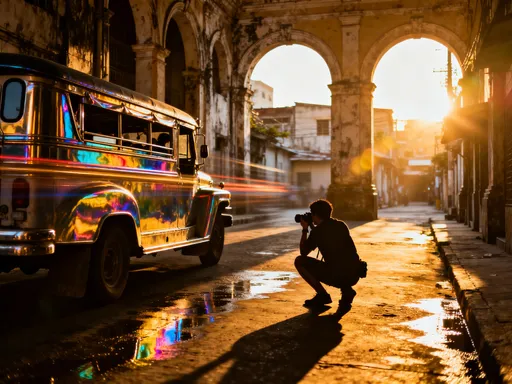
Montevideo is not a city that hides its soul. From the moment you step into its sun-drenched plazas or stroll along the rambling Rambla, the capital of Uruguay reveals itself as a place where art is not confined to museums but lives boldly in the open. The city’s creative energy is deeply rooted in its history, shaped by waves of European immigration, indigenous traditions, and a resilient local identity that values expression and individuality. Colonial architecture stands shoulder to shoulder with modernist facades, and between them, the streets breathe with color, rhythm, and texture. Murals cover entire building sides in vibrant depictions of national pride, social justice, and abstract dreams, transforming alleyways into open-air galleries.
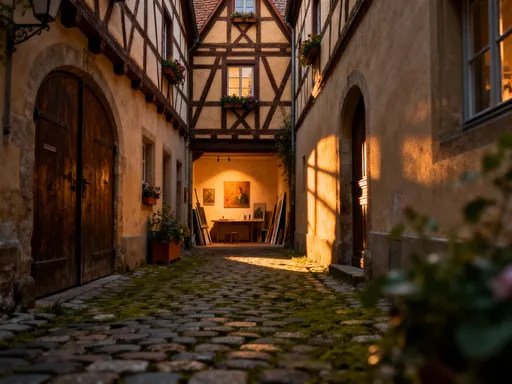
Ciudad Vieja, the historic old town, is perhaps the most vivid example of Montevideo’s artistic spirit. Cobblestone streets wind past restored 19th-century buildings where boutique studios, small theaters, and independent galleries thrive. Every corner seems to hold a surprise—a bronze sculpture tucked into a courtyard, a live tango performance spilling from a courtyard café, or a chalk artist rendering intricate patterns on the pavement. This is not a curated tourist experience; it’s the rhythm of daily life. Similarly, Barrio Sur and Palermo pulse with Afro-Uruguayan culture, where candombe drumming echoes through the air during weekends, and painted houses reflect a community that celebrates identity through visual storytelling.
What makes Montevideo’s art scene particularly accessible is its integration into public life. Unlike cities where art is reserved for elite spaces, here it belongs to everyone. Children play beneath towering murals, vendors sell crafts under painted archways, and retirees sip mate on benches adorned with mosaic tiles. This democratization of creativity sets the tone for a shopping experience that is less about consumption and more about connection. When visitors engage with local art, they are not merely buying objects—they are stepping into a living cultural dialogue.
Markets as Cultural Stages: Beyond Ordinary Shopping
If Montevideo’s streets are its canvas, then its markets are its performance spaces—dynamic, unpredictable, and rich with human energy. These are not sterile shopping centers but vibrant social ecosystems where commerce, culture, and community intersect. The Mercado del Puerto, one of the city’s most iconic destinations, exemplifies this fusion. Housed in a striking iron structure dating back to the 1860s, the market was originally a hub for fish and produce but has evolved into a culinary and artistic landmark. While many come for the famed Uruguayan asado—slow-grilled beef served in smoky, open-fire parrillas—others linger for the crafts, live music, and the electric atmosphere that hums from morning until late evening.
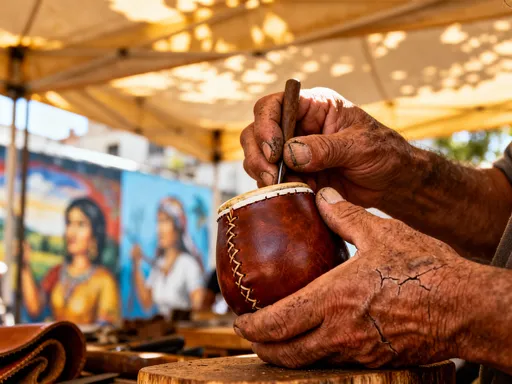
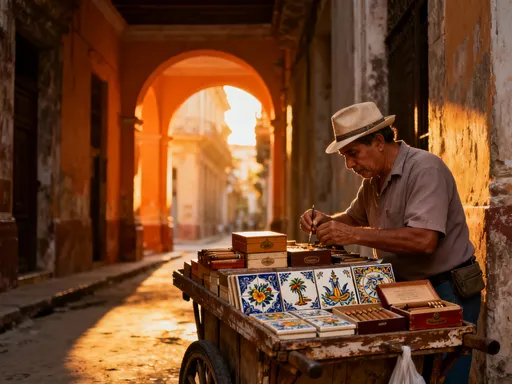
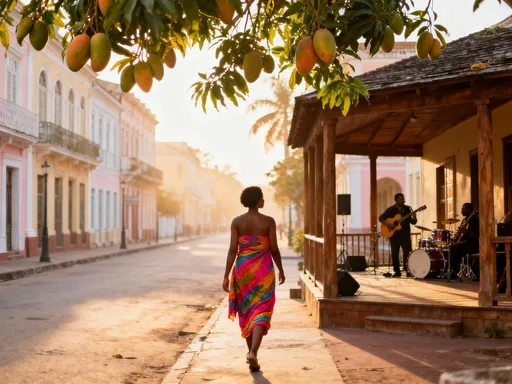
Vendors line the perimeter with handcrafted leather bags, woolen scarves, and painted wooden masks. Nearby, a guitarist plays folk tunes while a couple dances a spontaneous tango, drawing smiles from onlookers. The air is thick with the aroma of chimmichurri, wood smoke, and beeswax polish from a nearby table where an artisan sands a gourd used for drinking mate. These sensory details are not incidental—they are central to the experience. In Montevideo, shopping is multisensory, engaging not just sight and touch but smell, sound, and even taste.
Equally compelling is the Feria de Tristán Narvaja, a sprawling weekend market that stretches for blocks through the Cordón neighborhood. What begins as a flea market quickly reveals itself as a cultural mosaic. Antique books sit beside vintage vinyl records, while elderly women sell homemade dulce de leche by the jar. Artisans display intricate silverwork, hand-thrown pottery, and embroidered linens. Children run between stalls, chasing soap bubbles blown by a street performer. Unlike commercial malls, where efficiency and uniformity dominate, this market thrives on unpredictability and personal interaction. Bargaining is expected, but it’s done with warmth and humor, often ending in shared laughter rather than transactional coldness.
These markets are not just places to buy things—they are stages where Uruguayan life unfolds. They reflect a society that values resourcefulness, craftsmanship, and human connection. For visitors, they offer a rare opportunity to witness authenticity in action, where every purchase supports a real person’s livelihood and carries a trace of their story.
Handmade Treasures: What to Look For and Why They Matter
When shopping in Montevideo, the most meaningful souvenirs are rarely mass-produced. Instead, they emerge from the hands of artisans who blend tradition with innovation. One of the city’s most celebrated crafts is leatherwork, a legacy of Uruguay’s strong gaucho heritage. Skilled leatherworkers transform locally sourced hides into belts, wallets, and boots, often embossed with traditional patterns or tooled with regional motifs. These items are not only durable but carry a sense of history—each stitch echoing the craftsmanship of rural artisans who once supplied gear for horsemen across the pampas.
Equally iconic are mate gourds, known locally as mates or calabazas. More than a vessel for drinking yerba mate—a bitter herbal tea central to Uruguayan daily life—these gourds are works of art. Carved from dried gourds or wood, they are often inlaid with silver, engraved with poetic verses, or wrapped in tooled leather. Some are adorned with images of national heroes or scenes from rural life. Purchasing a mate is not just acquiring a souvenir; it’s embracing a ritual. Sharing mate is a social act, a gesture of hospitality and friendship. To bring one home is to carry a symbol of connection and warmth.
Silver jewelry is another standout, particularly pieces inspired by pre-Columbian and colonial designs. Artisans in Montevideo often use recycled silver, shaping it into bold cuffs, pendants, and earrings that reflect both indigenous symbolism and European influences. Many pieces incorporate natural elements—twisting vines, sun motifs, or animal figures—connecting wearers to the land and its ancestral roots. Supporting these jewelers means preserving techniques passed down through generations, resisting the tide of industrialized fashion.
Textiles, too, play a vital role in Montevideo’s artisan economy. The quebracho blanket, named after a native hardwood tree known for its deep red dye, is a staple in many Uruguayan homes. Woven from wool, these thick, colorful blankets are both functional and symbolic, representing warmth, resilience, and national pride. Many are produced by cooperatives in rural areas, where women gather to weave collectively, maintaining a tradition that dates back over a century. Buying one supports not only the artist but an entire network of cultural preservation.
Each of these crafts tells a story—of identity, survival, and beauty born from necessity. When travelers choose handmade over factory-made, they participate in ethical consumption, helping sustain livelihoods and keep traditions alive in an age of globalization.
Galleries and Boutiques: Where High Art Meets Daily Life
While markets offer raw, unfiltered creativity, Montevideo’s galleries and design boutiques provide a more curated but equally accessible experience. In neighborhoods like Pocitos, Carrasco, and Punta Carretas, sleek storefronts blend seamlessly with residential streets, inviting passersby to step inside and engage with contemporary art. Unlike in many global capitals, where galleries can feel intimidating or exclusive, Montevideo’s art spaces are often welcoming, conversational, and affordable.
Local artists frequently collaborate with small retailers to sell limited-edition prints, ceramic sculptures, and wearable art. A boutique might feature a rotating exhibition of urban photography, with each image available for purchase at modest prices. A design shop could showcase hand-painted tiles, minimalist jewelry, or furniture crafted from reclaimed wood. These spaces blur the line between gallery and store, making original art a part of everyday living rather than a luxury reserved for collectors.
One of the most refreshing aspects of Montevideo’s art market is its affordability. A signed, original painting from a mid-career Uruguayan artist might cost less than a dinner for two in New York or Paris. This accessibility encourages residents and visitors alike to invest in beauty and meaning. It also reflects a cultural value: art is not a status symbol but a natural extension of life. Families decorate their homes with local works, students buy prints to inspire their studies, and tourists leave with more than trinkets—they carry home visions of the city’s soul.
Some galleries, like those in the Museo Juan Manuel Blanes complex, offer guided viewings and artist talks, deepening public engagement. Others operate as hybrid spaces—part café, part exhibition hall—where patrons sip coffee beneath rotating installations. These models foster intimacy and dialogue, transforming passive viewing into active participation.
The Artist Behind the Product: Human Stories That Add Value
No object holds meaning without the story behind it, and in Montevideo, the people who make the art are often present to share their journey. This personal connection transforms shopping from a transaction into a moment of mutual recognition. Take, for example, Señor Rafael, a third-generation cobbler in Ciudad Vieja who runs a tiny workshop no larger than a closet. For over forty years, he has crafted leather shoes by hand, using techniques taught by his father. His hands, marked by years of needle and awl, move with quiet precision. When a visitor buys a pair of his boots, they don’t just receive footwear—they receive a legacy.
Or consider Lucia, a young muralist from Barrio Sur who began painting as a teenager during community revitalization projects. Now in her late twenties, she sells small canvas reproductions of her work at weekend ferias. Her paintings depict strong women, dancing figures, and abstract representations of candombe rhythms. When she speaks about her art, her voice fills with pride and purpose. “I paint what I live,” she says. “Every stroke is a memory.” To buy her work is to support not just an artist but a vision of cultural pride and resilience.
These encounters are common in Montevideo. A woodcarver might explain how his designs are inspired by Guarani legends. A weaver might describe the months-long process of dyeing wool with natural pigments. A jeweler might show how she melts down old silver coins to create new pieces. These conversations add layers of meaning to every purchase, turning souvenirs into keepsakes with emotional weight.
For many visitors, especially women in the 30–55 age range who value authenticity and purpose, these human connections are the most memorable part of the trip. They return home not just with objects, but with stories they can share—about the woman who taught them how to prepare mate, the man who sang a folk song while repairing a guitar, or the artist who smiled and said, “This painting is now part of your family.”
Navigating the Scene: Practical Tips for an Art-Centered Shopping Journey
To fully experience Montevideo’s creative landscape, a bit of planning enhances the journey without diminishing its spontaneity. The best time to visit markets is on weekends, especially Saturday mornings when Feria de Tristán Narvaja is in full swing and Mercado del Puerto buzzes with energy. Arriving early allows for quieter browsing and better selection, while late afternoon brings live music and a festive mood.
Carrying cash is essential. While some vendors now accept mobile payments, many prefer pesos in hand, particularly in informal markets. ATMs are widely available, but it’s wise to withdraw enough at the start of the day. Credit cards are more commonly accepted in boutiques and galleries, but cash fosters smoother interactions in artisan stalls.
Bargaining is customary in markets, but it should be done respectfully. A polite smile and a reasonable offer go further than aggressive haggling. If a vendor declines, a simple “gracias” maintains goodwill. Remember, these are small-scale artisans—fair pricing supports their craft and dignity.
Montevideo is a walkable city, especially in central areas. The Rambla offers a scenic coastal path connecting neighborhoods like Pocitos and Punta Carretas. Public buses are reliable and inexpensive, while ride-sharing apps provide convenient alternatives. Comfortable shoes are a must—cobblestones and long market rows demand foot comfort.
Safety is generally good, particularly in tourist areas during daylight. As in any city, it’s wise to stay aware of surroundings, avoid flashing valuables, and keep bags secure. Most locals are friendly and helpful, often going out of their way to assist visitors.
Pairing shopping with cultural pauses enhances the experience. A midday break at a neighborhood café—perhaps one displaying local paintings on its walls—offers time to reflect. Order a medialuna (a buttery croissant) and a café con leche, and watch the world go by. These moments of stillness make the journey richer, allowing the city’s rhythm to sink in.
Why This Experience Changes How We Travel
Shopping in Montevideo is not merely a side activity—it’s a form of cultural immersion. It challenges the notion that souvenirs must be cheap, disposable tokens. Instead, it invites travelers to collect meaning, to carry home objects that embody stories, values, and human connection. This shift—from consumerism to mindfulness—reflects a growing desire among travelers, especially women who seek depth and authenticity in their journeys.
Art-centered shopping fosters cross-cultural understanding. When we buy directly from artisans, we acknowledge their skill, honor their heritage, and contribute to sustainable livelihoods. We move beyond the role of observer and become participants in a living tradition. This form of tourism is not extractive; it is reciprocal.
Montevideo offers a model for how cities can integrate art into the fabric of daily life, making creativity accessible, celebrated, and economically viable. It shows that tourism can be a force for good—preserving culture, supporting communities, and enriching visitors in equal measure. In a world where travel often feels rushed or superficial, Montevideo reminds us that the most lasting memories are not found in landmarks alone, but in the quiet moments of connection: a shared smile with a potter, the weight of a handmade blanket in your arms, the pride in knowing your purchase made a difference.
So the next time you plan a trip, ask yourself: what kind of souvenir do I want to bring home? A trinket from a factory, or a piece of a city’s soul? In Montevideo, the answer is clear. Here, art meets the street, and every purchase becomes a story worth telling.