Lost in the Wild Beauty of Bariloche
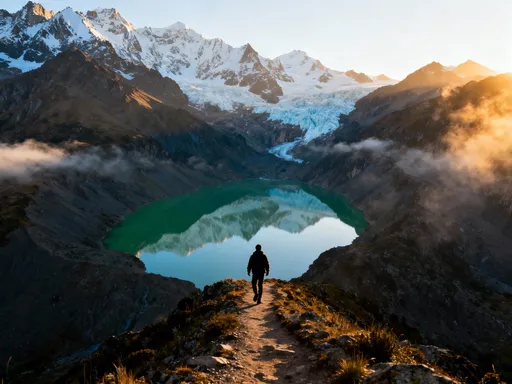
Nestled in Argentina’s Lake District, Bariloche is a paradise where jagged Andean peaks meet emerald lakes and ancient forests. Travelers go seeking scenery but often find something deeper—a connection to raw, untamed nature. From misty dawn hikes to silent nights under star-strewn skies, this is a place that doesn’t just impress; it transforms. The crisp mountain air fills the lungs, the scent of pine lingers on the breeze, and the vastness of the landscape humbles the spirit. You don’t merely visit Bariloche—you feel it. It’s a destination that calls to those who long for stillness, space, and the quiet majesty of the wild. You gotta see it to believe it.
First Impressions: Arriving in Bariloche
Reaching Bariloche is part of the adventure. Most travelers arrive via a flight to San Carlos de Bariloche Airport, nestled just outside the town center. As the plane descends, the first glimpse of the region steals the breath—snow-dusted peaks rising like sentinels around sapphire lakes, with dense forests blanketing the valleys below. Stepping off the plane, the cool, clean air immediately sets the tone. A short transfer by shuttle or rental car brings visitors into the heart of town, where alpine-style architecture with wooden beams and stone facades evokes the charm of a European mountain village—yet with a distinctly South American soul.
Bariloche sits on the southern shores of Nahuel Huapi Lake, the largest in the region and the centerpiece of the surrounding national park. The town itself is compact and walkable, lined with bakeries offering rich chocolate and warm pastries—a nod to its Swiss-German heritage—and shops selling hand-knit woolens and local crafts. But it’s the natural backdrop that dominates every view. To the west, the Andes rise dramatically, their slopes cloaked in lenga and coihue forests. To the east, the lake stretches endlessly, its surface often glassy and reflecting the sky like a mirror.
What makes Bariloche truly special is its position as a gateway to Patagonia’s wilderness. It lies at the crossroads of Argentina’s Lake District and the vast, less-trodden expanses of northern Patagonia. This strategic location makes it an ideal base for exploring diverse ecosystems, from high-altitude glaciers to temperate rainforests. The journey here—whether by air, road, or even the scenic train from Viedma—prepares the traveler for what’s ahead: a landscape shaped by fire, ice, and time. The first moments in Bariloche are often quiet ones, spent gazing at the horizon, feeling the altitude, and sensing that this is not just another tourist stop, but a threshold into something ancient and alive.
Nahuel Huapi National Park: Heart of the Wilderness
Established in 1934, Nahuel Huapi National Park is Argentina’s oldest national reserve and the beating heart of Bariloche’s natural allure. Covering over 7,000 square kilometers, it protects one of the most ecologically diverse regions in Patagonia. The park’s terrain is a mosaic of glacial lakes, rushing rivers, volcanic peaks, and dense forests that change color with the seasons. It is a sanctuary where nature operates on its own terms, undisturbed by urban sprawl. For visitors, it offers both accessibility and adventure—well-maintained trails lead from Bariloche into remote corners where silence reigns and wildlife thrives.
One of the most popular entry points is Puerto Blest, reachable by a scenic drive and boat transfer across Nahuel Huapi Lake. The trail here winds through ancient rainforest, where moss drapes tree branches and the air is thick with the scent of damp earth and pine. Birdsong echoes in the canopy, and if you’re lucky, you might spot a Magellanic woodpecker or a torrent duck darting along the river’s edge. The path eventually leads to the border with Chile, though most hikers turn back before crossing, content with the sense of being at the edge of the world.
Another iconic access point is Cerro Campanario, a short uphill walk or minibus ride from downtown Bariloche. From its summit, the panoramic view is unforgettable: the town nestled beside the lake, surrounded by a ring of mountains, with islands dotting the water like emeralds. It’s a perfect introduction to the park’s scale and beauty. But beyond the postcard views, the park’s true value lies in its biodiversity. It is home to endangered species like the huemul deer, a symbol of Chile but also present in these trans-Andean forests, as well as pumas, foxes, and over 100 species of birds.
The park’s ecosystems are shaped by altitude and latitude. At lower elevations, you’ll find dense Valdivian rainforest with towering trees and lush undergrowth. Higher up, the trees give way to subpolar forests of lenga and ñire, which turn fiery red and gold in autumn. Near the peaks, alpine meadows bloom with wildflowers in summer, and glacial streams feed into crystal-clear rivers. This vertical diversity allows for a range of experiences—from lakeside strolls to multi-day treks—making Nahuel Huapi a destination that rewards both casual visitors and seasoned adventurers.
Hiking the Seven Lakes Route: A Journey Through Fire and Ice
The Seven Lakes Route, or Ruta de los Siete Lagos, is one of the most iconic drives and hikeable corridors in Patagonia. Stretching about 100 kilometers between Bariloche and the town of San Martín de los Andes, it follows the edge of Nahuel Huapi National Park and connects a series of stunning glacial lakes. While many travelers experience it by car, the true magic unfolds when explored on foot—section by section, lake by lake. Each body of water has its own character, shaped by volcanic rock, glacial silt, and forest cover, creating a journey that feels both grand and intimate.
The route begins with Lake Gutiérrez, a favorite for kayaking and quiet contemplation. Its waters are a deep turquoise, fed by mountain runoff and shaded by evergreen forests. From there, the trail moves to Lake Moreno, split into two basins, each reflecting the surrounding peaks in perfect symmetry. Lake Escondido, true to its name, feels hidden and secluded, accessible only by a narrow road and often quiet even in peak season. Its waters are so clear that submerged trees are visible far below the surface, preserved by the cold.
The geological history of the Seven Lakes is written in the landscape. These basins were carved by retreating glaciers during the last ice age, then filled with meltwater tinged green and blue by rock flour—fine particles of ground stone suspended in the water. Volcanic activity in the region further shaped the terrain, with lava flows creating natural dams and altering river courses. The result is a chain of lakes that vary in color, depth, and shoreline, each a testament to the forces that shaped Patagonia.
For hikers, the best time to explore the Seven Lakes Route is during the Southern Hemisphere’s summer, from December to March, when trails are snow-free and days are long. Lightweight, waterproof hiking boots are essential, as are layers for changing weather—sunny mornings can give way to afternoon showers. To avoid crowds, start early or focus on less-visited sections like the stretch between Escondido and Correntoso, where quiet forest paths lead to hidden coves. Some travelers choose to hike the entire route over several days, camping at designated sites or staying in eco-lodges along the way. Whether taken in short walks or as a thru-hike, the Seven Lakes Route offers a profound sense of journey—a pilgrimage through fire, ice, and time.
Cerro Tronador: The Thundering Giant
Rising to 3,470 meters on the border between Argentina and Chile, Cerro Tronador is a colossal presence in the Bariloche skyline. Its name, meaning “The Thundering Mountain,” comes from the frequent sounds of ice calving from its glaciers—a deep, rumbling echo that rolls across the valleys like distant thunder. Though it is an extinct volcano, its appearance is anything but dormant. Glaciers cling to its flanks, their icy tongues reaching down into the forests below. From Bariloche, the peak is visible on clear days, a snow-capped giant watching over the lakes and trails.
The most accessible glaciers are Pescado and Ventisquero Negro, both reachable via well-marked trails from the Encontrados Valley. The hike to Ventisquero Negro is moderately challenging, gaining about 400 meters in elevation over 7 kilometers round-trip. As you climb, the forest opens to reveal panoramic views of the valley, with the glacier ahead gleaming in the sunlight. The final approach is across a rocky moraine, where the sound of flowing meltwater grows louder. Standing before the glacier, you feel the chill radiating from the ice, and if you’re quiet, you might hear the deep cracks and rumbles as chunks break off and tumble down the slope.
The science behind Cerro Tronador’s glaciers is both fascinating and sobering. These ice masses are remnants of a much larger ice cap that once covered the region. Today, they are retreating due to climate change, a visible reminder of the fragility of high-altitude environments. Park rangers and scientists monitor their movement and volume, sharing data with conservation groups across Patagonia. For visitors, this adds a layer of meaning to the experience—not just awe, but awareness.
Access to Cerro Tronador is seasonal, with the best conditions from late spring to early autumn. Winter brings heavy snowfall, closing most trails and requiring specialized gear. Even in summer, weather can change rapidly, so hikers must carry rain gear, extra layers, and plenty of water. Guides are recommended for first-time visitors, especially for interpreting the landscape and ensuring safety on icy or slippery sections. While the climb is not technically difficult, the altitude and terrain demand respect. Those who make the journey are rewarded not just with a view, but with a visceral connection to the forces that shape our planet.
Beyond the Trails: Experiencing Nature’s Rhythms
While hiking is a highlight of any visit to Bariloche, the true essence of the region reveals itself in quieter moments. Slowing down allows travelers to tune into the rhythms of the wild—the way dawn mist lifts off the lakes, the soft call of a chucao tapaculo in the underbrush, or the sudden flash of a black-necked swan gliding across a secluded inlet. These are the experiences that linger long after the trip ends, not because they are dramatic, but because they are real.
Kayaking on Nahuel Huapi Lake offers one of the most intimate ways to experience this stillness. Paddling away from the shore, the noise of the town fades, replaced by the gentle splash of the paddle and the wind rustling through the reeds. From the water, the scale of the mountains becomes even more impressive, their bases reflected perfectly in the calm surface. Some outfitters offer guided sunrise tours, where you launch in the half-light, watching the first rays of sun paint the peaks in gold and rose.
Birdwatching is another way to deepen your connection to the landscape. The park is home to over 100 species, including the Andean condor, one of the largest flying birds in the world. Spotting one is a rare and moving experience—its massive wingspan catching thermal currents as it circles high above the valleys. Other species, like the austral parakeet or the torrent duck, are smaller but no less remarkable. With a good pair of binoculars and a quiet approach, even casual observers can witness the rich avian life of the region.
For those seeking solitude, early morning walks along less-traveled forest paths can yield unexpected encounters. You might catch sight of a huemul deer, an endangered species that moves silently through the undergrowth, or hear the rustle of a culpeo fox in the brush. These moments are not guaranteed, and that’s part of their beauty. They remind us that we are guests in a world that exists independently of us. By moving slowly, listening closely, and treading lightly, we open ourselves to the subtle magic of Bariloche—the kind that doesn’t shout, but whispers.
Staying Grounded: Eco-Friendly Lodges and Local Wisdom
How you stay in Bariloche matters. The region’s growing popularity has led to increased development, but a rising number of accommodations are choosing sustainability over convenience. Eco-friendly lodges, many of them small and family-run, are leading the way in responsible tourism. These properties blend comfort with environmental stewardship, using solar power, rainwater harvesting, and locally sourced materials to minimize their footprint.
One example is a lodge nestled in a quiet valley near the edge of Nahuel Huapi National Park, where cabins are built from reclaimed wood and heated with efficient wood stoves. Guests dine on meals made from organic vegetables grown on-site and trout caught sustainably from nearby rivers. There are no TVs, but plenty of books on local ecology, and evening talks by naturalists or Mapuche guides who share stories of the land, its history, and its spiritual significance.
The Mapuche people, indigenous to parts of Chile and Argentina, have lived in harmony with this landscape for centuries. Their traditional knowledge offers invaluable insights into sustainable living—how to read the weather from the mountains, which plants are safe to eat, and how to move through the forest without disturbing it. Some community-run refuges now offer guided walks and cultural exchanges, allowing visitors to learn directly from elders and knowledge keepers.
Staying in such places does more than reduce environmental impact—it deepens the travel experience. It shifts the focus from consumption to connection, from sightseeing to understanding. When you wake up to the sound of birds instead of traffic, when your hot water comes from the sun, and when your host knows the name of every tree on the property, you begin to see travel not as an escape, but as a relationship. These lodges are not just places to sleep—they are invitations to live differently, even if only for a few days.
Leaving Lightly: Conservation and Responsible Travel
The beauty of Bariloche is not guaranteed. Like many fragile ecosystems, it faces growing pressure from tourism, climate change, and invasive species. Trails are eroding from overuse, litter occasionally mars pristine shores, and non-native plants threaten native flora. Park authorities and local communities are responding with science-based conservation efforts, from trail restoration projects to watershed protection programs. But their work can only succeed with the cooperation of visitors.
The Leave No Trace principles are more than guidelines—they are a responsibility. This means packing out all trash, staying on marked trails to prevent soil erosion, and avoiding the use of soap or chemicals in lakes and rivers. It means respecting wildlife by observing from a distance and never feeding animals. It means choosing tour operators who follow sustainable practices and support local economies.
Travelers can also contribute directly by donating to conservation groups like Aves Argentinas or participating in volunteer programs that monitor wildlife or restore native vegetation. Even small choices matter—bringing a reusable water bottle, eating at locally owned restaurants, or simply speaking softly in quiet places. These actions may seem minor, but collectively, they shape the future of places like Bariloche.
The goal is not to stop people from coming, but to ensure they come with awareness. Tourism, when done right, can fund conservation, empower communities, and inspire global stewardship. But it requires intention. Every footprint left behind should be balanced by care, every photo taken matched by respect. The wild beauty of Bariloche is not a resource to be used up, but a legacy to be protected.
Why Bariloche Stays With You
Bariloche does not simply offer scenery—it offers transformation. In a world of constant noise and motion, it provides a rare gift: stillness. It reminds us that we are part of a larger story, one written in glaciers, forests, and star-filled skies. The mountains do not care about our schedules, our worries, or our achievements. They simply are. And in their presence, we remember how to be.
Travelers leave Bariloche with more than photographs. They carry the memory of a sunrise over the lake, the sound of a glacier cracking in the distance, the warmth of a wood-fired cabin on a cold night. They carry a renewed sense of wonder, and perhaps, a quiet commitment to protect what they’ve seen.
True travel is not about checking destinations off a list. It is about feeling connected—to nature, to culture, to the planet. Bariloche invites us to slow down, to listen, and to remember that the most beautiful places are not just to be seen, but to be felt. And when we return home, we bring that feeling with us. Explore mindfully. Tread lightly. Leave only footprints. Carry back wonder.