You Won’t Believe What Stockholm’s Views Can Do to Your Soul
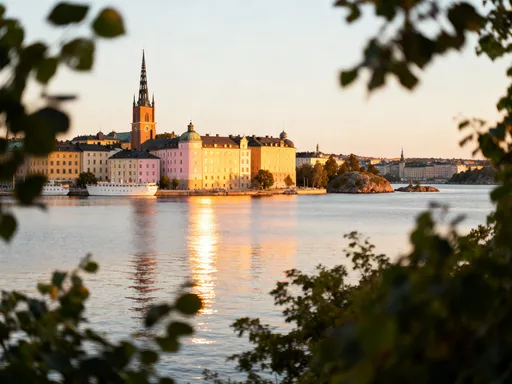
Imagine standing on a sun-drenched pier, the Baltic breeze brushing your face as pastel buildings glow behind bobbing boats. I never thought a city’s skyline could feel so alive—Stockholm doesn’t just show you beauty, it makes you feel it. From panoramic rooftops to hidden waterfront paths, the viewing experiences here go beyond photos. This is about seeing a city in a way that stays with you long after you leave. With its seamless blend of nature and urban design, Stockholm offers visual moments that are not only picturesque but deeply emotional. This guide explores how to experience those views with intention, comfort, and clarity, ensuring your journey is as enriching as it is unforgettable.
Why Stockholm’s Geography Creates Unmatched Viewing Experiences
Stockholm’s breathtaking visual appeal begins with its extraordinary geography. Built across 14 islands where Lake Mälaren flows into the Baltic Sea, the city is cradled by water from every direction. This unique topography creates a dynamic interplay of light, reflection, and elevation that few other capitals can match. Unlike flat urban centers, Stockholm’s terrain includes gentle hills, natural bluffs, and narrow straits that frame views like living paintings. The constant presence of water amplifies the sense of openness and tranquility, making even brief moments of observation feel expansive.
The city’s island-based structure means that nearly every vantage point offers a layered perspective—water in the foreground, bridges in the midline, and historic or modern architecture rising in the background. This depth enhances visual interest and gives photographs a professional quality even when taken with a smartphone. Additionally, Stockholm’s northern latitude plays a significant role in the quality of light. During summer, the sun lingers near the horizon for extended periods, casting a soft, golden glow that lasts for hours. This phenomenon, often referred to as the ‘midnight sun’ effect, allows for prolonged golden-hour conditions, particularly in late June.
Conversely, winter light in Stockholm, though limited in duration, carries a unique clarity and cool tone that enhances architectural details and snow-covered landscapes. The low angle of the sun during December and January creates long shadows and subtle contrasts, ideal for capturing moody, atmospheric images. For travelers seeking the best lighting conditions, early morning and late afternoon offer the most flattering natural illumination year-round. Areas such as Skeppsholmen and Djurgården benefit especially from east- and west-facing exposures, making them ideal for sunrise and sunset viewing.
Moreover, the city’s thoughtful urban planning ensures that green spaces, promenades, and public lookouts are easily accessible. Unlike other European capitals where scenic viewpoints may require tickets or long hikes, Stockholm integrates viewing opportunities into daily life. Residents and visitors alike can enjoy elevated sights from public parks, pedestrian bridges, and even café terraces perched above the water. This accessibility enhances the city’s charm, allowing visual discovery to unfold naturally, without pressure or expense.
Gamla Stan: Where History Meets Postcard-Perfect Perspectives
No visit to Stockholm feels complete without wandering through Gamla Stan, the city’s historic heart. This medieval district, with its narrow cobblestone streets and colorful 17th-century buildings, offers some of the most iconic views in Northern Europe. The area’s compact layout makes it easy to explore on foot, and nearly every turn reveals a new photographic opportunity. From the grand façade of the Royal Palace to the quiet alleys that open unexpectedly onto the water, Gamla Stan is a masterclass in urban beauty.
One of the most rewarding vantage points is the square surrounding Storkyrkan, Stockholm’s oldest church. Standing here, you face the Royal Palace while the sound of church bells mingles with the distant hum of boat engines. The warm tones of the yellow palace walls contrast beautifully with the blue sky or twilight hues, creating a scene that feels both regal and intimate. For a more secluded perspective, walk down Västerlånggatan toward the water’s edge. A small opening between buildings reveals a framed view of Skeppsholmen and the modern city beyond—an elegant juxtaposition of old and new.
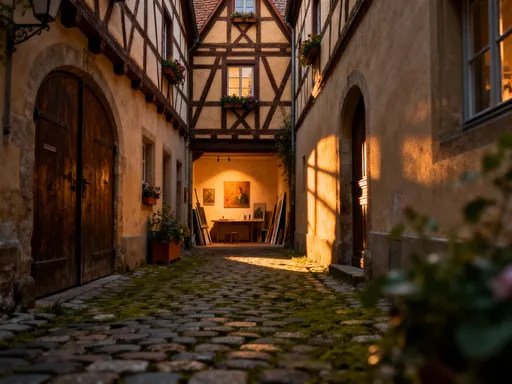
The architectural palette of Gamla Stan—ochre, rust red, mustard yellow, and deep green—adds to its visual warmth. These hues, unchanged for centuries, glow especially during sunrise and late afternoon. The irregular alignment of the buildings, a result of organic medieval growth, creates a sense of depth and movement that flat, grid-based cities often lack. Tall gables, arched doorways, and flower boxes in summer contribute to a charm that feels authentic rather than staged.
To avoid the busiest crowds, visit Gamla Stan early in the morning, ideally before 9 a.m., when tour groups have yet to arrive. Alternatively, return in the evening after 7 p.m., when the lanterns flicker on and the streets quiet down. During summer months, the district hosts outdoor markets and cultural events, but these can make navigation more challenging. For a peaceful experience, weekdays are preferable to weekends. Photography enthusiasts should use a wide-angle lens to capture the tight streetscapes, and a polarizing filter can help reduce glare on sunny days.
Skyline Views from Södermalm: The Local Favorite for Sunset Hunters
If there’s one place locals flock to for sunset, it’s Södermalm, a vibrant district known for its artistic spirit and elevated viewpoints. Among the most celebrated spots is Monteliusvägen, a paved walking path that stretches along the southern edge of the island. From here, the entire city center unfolds across Riddarfjärden, with the Royal Palace, City Hall, and modern high-rises forming a stunning silhouette. As the sun dips below the horizon, the water turns gold, and the city lights begin to twinkle—a sight that has inspired countless photographs and quiet moments of reflection.
Monteliusvägen is easily accessible by public transit, with buses and the T-bana (Stockholm’s metro) stopping within a 10-minute walk. The path itself is flat and well-maintained, suitable for all ages and fitness levels. It’s common to see families, couples, and solo travelers enjoying the view, often with a takeaway coffee or picnic in hand. For those seeking a more active experience, the nearby Skinnarviksberget offers a slightly more rugged climb and an even broader panorama. This rocky outcrop, part of a nature reserve, provides a 360-degree outlook that includes both the inner city and the outer archipelago.
Because these spots are popular, arriving 30 to 45 minutes before sunset ensures a good viewing position, especially during summer when twilight lasts well into the evening. In winter, the sun sets early, so timing is easier, but proper clothing is essential. Layers, a windproof jacket, and insulated footwear are recommended, as the elevated terrain can be chilly even on mild days. While many visitors bring professional cameras, smartphone photography can yield excellent results with the right settings—using the HDR mode and stabilizing the phone on a bench or railing helps capture the full range of light.
Södermalm is also a cultural hub, with independent boutiques, vintage shops, and cozy cafés lining its streets. After sunset, many continue their evening in the neighborhood, enjoying a meal at a local restaurant or browsing a design store. This blend of natural beauty and urban life makes Södermalm not just a viewing destination but a full sensory experience. Whether you come for the skyline or stay for the atmosphere, the district leaves a lasting impression.
Royal Heights: Seeing the City from the Tower of Storkyrkan and Beyond
For a truly elevated experience, few things compare to viewing Stockholm from above. One of the most accessible and historically rich options is the tower of Storkyrkan in Gamla Stan. While the cathedral itself is modest in size, its tower offers a climb of just over 100 steps to a viewing platform with sweeping views of the old town, the palace, and the surrounding waterways. The ascent is narrow but safe, with handrails and periodic landings, making it manageable for most visitors. From the top, the intricate rooflines and chimney stacks of Gamla Stan create a textured landscape that feels like stepping into a storybook.
Another notable vertical viewpoint is the tower of Stockholm City Hall, home of the Nobel Prize banquet. Though access is limited to guided tours, the climb rewards with one of the most comprehensive panoramas in the city. From this vantage, you can trace the arc of Riddarfjärden, identify key landmarks like the Vasa Museum and the Royal Observatory, and appreciate the deliberate spacing of green spaces and water channels that define Stockholm’s urban design. The tower’s height—over 100 meters—provides a rare bird’s-eye perspective that reveals the city’s island-based logic in a single glance.
Lesser-known but equally rewarding are residential viewpoints in districts like Vasastan and Östermalm. Buildings such as the Katarina Elevator, originally constructed for funicular access, now serve as public lookouts with glass-enclosed platforms. These spots attract fewer tourists but offer equally impressive views, particularly at dawn when the city is still and the light is soft. Some apartment complexes also feature rooftop terraces open to the public during cultural events or city-wide open-house weekends, providing rare access to private vantage points.
Vertical viewing changes the way we understand a city. At street level, we experience scale and detail; from above, we see patterns, connections, and structure. In Stockholm, this contrast is especially striking. The careful alignment of bridges, the rhythm of ferry routes, and the balance between built and natural environments become visible only from height. For travelers interested in urban design or photography, prioritizing at least one elevated experience adds depth to their understanding of the city.
Water-Level Wonders: Boat Tours, Kayaking, and Harbor Walks
While high viewpoints offer breadth, water-level experiences provide intimacy. To truly connect with Stockholm’s essence, one must move through it by water. A variety of options—from guided boat tours to self-paddled kayaks—allow visitors to engage with the city from its most defining element. The official canal and archipelago tours, operated by companies like Stromma and Waxholmsbolaget, offer narrated journeys that last from one to three hours. These tours typically cover key sights such as the Royal Palace, Skeppsholmen, and Djurgården, with commentary available in multiple languages, including English.
Tickets for standard tours range from 20 to 50 euros, depending on duration and season, and are often included in city travel passes. For a more personal experience, consider a small-group kayak tour. Several outfitters provide guided paddles through the inner harbor, where you glide silently past historic buildings and under low bridges. These tours, lasting about two hours, are suitable for beginners and include all necessary equipment. The physical act of paddling creates a deeper sense of immersion, and the low vantage point brings architectural details—carved stonework, window frames, and rooftop sculptures—into striking focus.
Even without boarding a vessel, walking along the water’s edge offers rich visual rewards. Strandvägen, a broad boulevard in Östermalm, runs parallel to the water and is lined with elegant buildings and leafy trees. Benches along the route invite pauses, and the reflections of the city in the calm water create a mirror effect that doubles the beauty. In summer, the path is bustling with joggers and strollers; in winter, it’s often dusted with snow, lending a quiet, cinematic quality to the scene.
For those interested in maritime history, the area around Nybroviken and Nytorget offers glimpses of traditional wooden boats and modern yachts side by side. Seasonal availability affects some activities—kayaking is best from May to September, while winter tours focus on city lights and holiday markets. Regardless of the season, water-based exploration fosters a slower, more mindful pace, allowing travelers to absorb details they might otherwise miss. The gentle motion of the boat, the sound of lapping waves, and the ever-changing reflections all contribute to a sensory-rich experience that complements higher-altitude views.
Seasonal Shifts: How Winter and Summer Redefine the City’s Look
Stockholm’s appearance transforms dramatically between seasons, offering two distinct visual narratives. Summer, from late May to mid-September, is a time of abundance and light. The days are long, with sunrise before 4 a.m. and sunset after 10 p.m. during the peak. This extended daylight allows for flexible sightseeing and creates a dreamy, almost timeless atmosphere. Parks fill with people, outdoor cafés buzz with activity, and the water sparkles under a pale blue sky. The city feels open, inviting, and alive.
In contrast, winter—roughly December to March—brings a quieter, more introspective mood. Snow blankets the rooftops and cobblestones, muffling sound and softening edges. The short daylight hours mean the sun barely clears the buildings, casting a delicate pink and gold glow during midday. Evening falls early, but the city responds with warmth—windows glow with candles, streetlights reflect off icy puddles, and Christmas markets add festive color. Though colder, winter offers some of the most poetic views, particularly from elevated spots where the snow-covered landscape stretches like a monochrome painting.
Each season demands different preparation. For summer visits, lightweight layers, sunglasses, and a hat are essential, as the northern sun can be deceptively strong. In winter, thermal underwear, a heavy coat, gloves, and insulated boots are necessary, especially for evening outings. Regardless of season, a waterproof outer layer is advisable due to unpredictable weather. Photography goals should also influence timing: summer is ideal for vibrant, detailed shots, while winter excels in mood and atmosphere.
Seasonal events further shape the visual experience. In summer, outdoor concerts and art installations enhance public spaces, while in winter, the Nobel Prize ceremonies and Lucia celebrations bring ceremonial elegance to the city’s streets. By aligning your visit with your visual preferences—whether you seek brightness and energy or stillness and reflection—you can tailor your experience to match your emotional and aesthetic goals.
View-Driven Itinerary: A Practical Guide to Maximizing Visual Experiences
To make the most of Stockholm’s visual riches, a thoughtful itinerary can transform a good trip into an exceptional one. A well-paced, two-day route focused on optimal lighting and access can ensure you experience the city’s beauty without fatigue. Begin Day One early in Djurgården, a green island home to museums and quiet walking paths. Arrive by 7 a.m. to catch the morning light filtering through the trees and reflecting off the water. Visit Skansen, the open-air museum, for elevated views of the harbor, then walk toward the Vasa Museum, where the surrounding park offers unobstructed sightlines.
By mid-morning, head to Gamla Stan. Explore the back alleys and lesser-known squares before the crowds arrive. Have lunch at a café with outdoor seating near the water, then visit the tower of Storkyrkan for a midday panorama. In the afternoon, take a one-hour boat tour from Nybrokajen to see the city from the water, returning just in time to cross to Södermalm. Reach Monteliusvägen by 5 p.m. in winter or 8 p.m. in summer to secure a good spot for sunset. Stay for the city lights, then enjoy dinner in the neighborhood.
Day Two begins later, focusing on vertical and residential perspectives. Take the T-bana to Kungsträdgården, then walk up to the Katarina Elevator for a morning view. Spend midday exploring Östermalm’s elegant streets and Strandvägen. If the weather permits, rent a bike or take a short ferry ride to Skeppsholmen. In the late afternoon, consider a visit to Skinnarviksberget for a more adventurous vantage point. Should rain interrupt plans, excellent indoor alternatives include the Fotografiska Museum for photography enthusiasts or the Swedish History Museum for cultural depth.
The key to this itinerary is balance—mixing active exploration with moments of stillness, and high views with ground-level immersion. Allow time between stops to sit, observe, and absorb. Avoid over-scheduling; a slower pace enhances both enjoyment and visual retention. By aligning each activity with natural light and crowd patterns, you create a journey that feels effortless and deeply satisfying.
Conclusion: Why Seeing Stockholm Is More Than Just Sightseeing
Stockholm teaches us that viewing a city is not merely about checking landmarks off a list—it’s about cultivating presence. Each bridge, shoreline, and rooftop offers not just a photo opportunity, but a moment of connection. The city’s unique geography, seasonal rhythms, and thoughtful design invite travelers to look deeply and feel fully. When we slow down and observe with intention, we begin to see patterns, stories, and emotions woven into the urban fabric.
The views of Stockholm stay with you because they are experienced, not just seen. They are shaped by the cool breeze on your face, the sound of distant bells, the warmth of café steam on a winter morning. They become part of your memory not as isolated images, but as layered impressions—light, sound, mood, and movement combined. In a world that often prioritizes speed and efficiency, Stockholm reminds us of the value of pause, perspective, and quiet appreciation.
Whether you come for the golden sunsets of Södermalm, the historic charm of Gamla Stan, or the serene waters of Djurgården, let the city unfold at its own pace. Let each view settle before moving to the next. In doing so, you don’t just witness Stockholm’s beauty—you become part of it. And long after you return home, the light on the water, the curve of a bridge, the glow of a winter streetlamp will call you back, not as a tourist, but as someone who truly saw.